No Sun, No Life, No God
Different cultures have long been a source of inspiration for artists. Encountering new ways of living, systems of belief, and cultural practices can reshape one’s understanding of life.
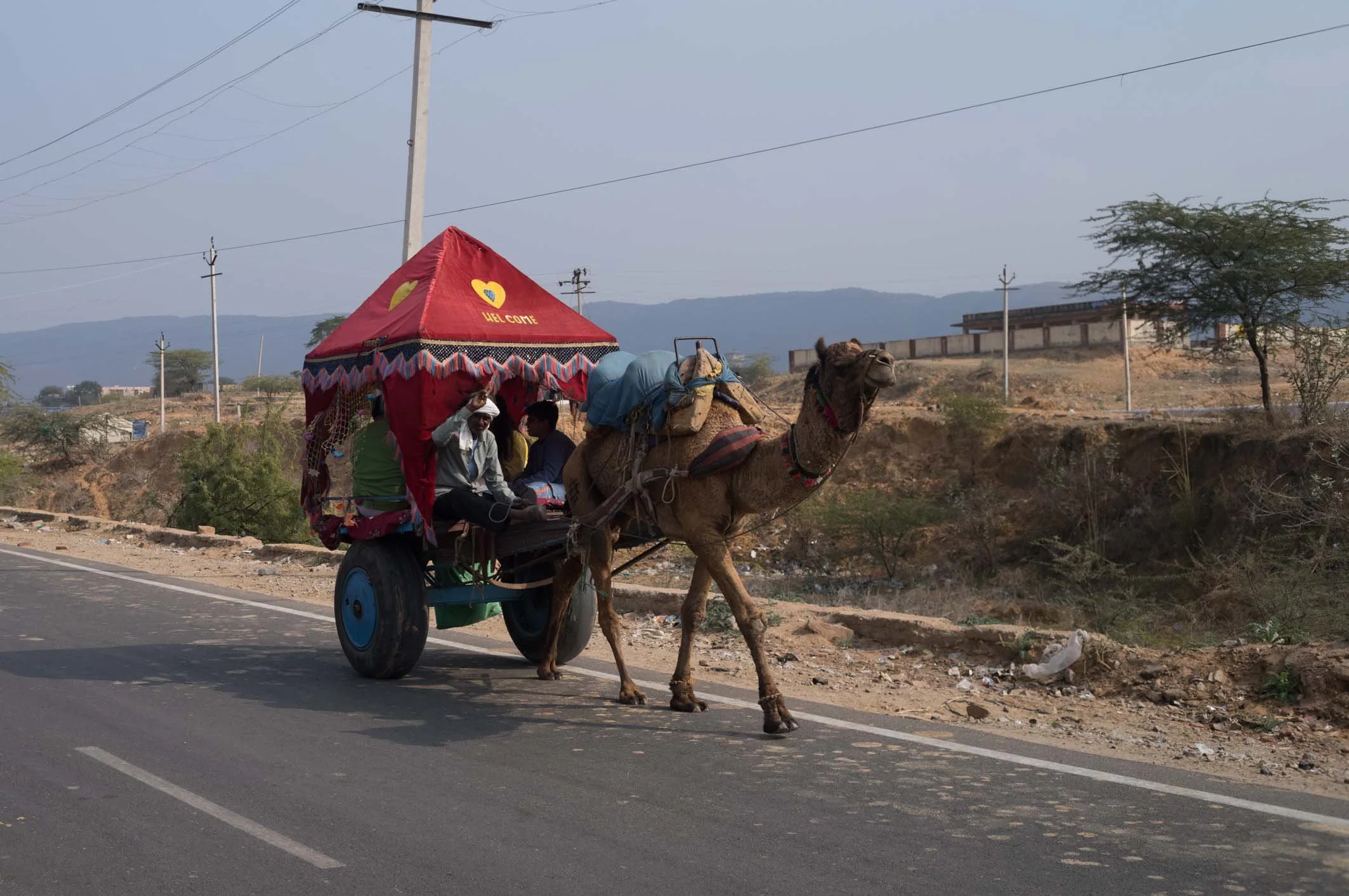
India is home to over 1.4 billion people. It contains thousands of ethnic and tribal groups and is also the place of origin of the Roma people, whose roots trace back to the 12th century. The city of Pushkar, located in the Ajmer district in the state of Rajasthan, is among the holiest cities in India and the only place dedicated to the worship of the god Brahma. With a population of around 21,500, Pushkar receives approximately 200,000 visitors over the seven days of the Pushkar Fair, drawn in part by its sacred lake.
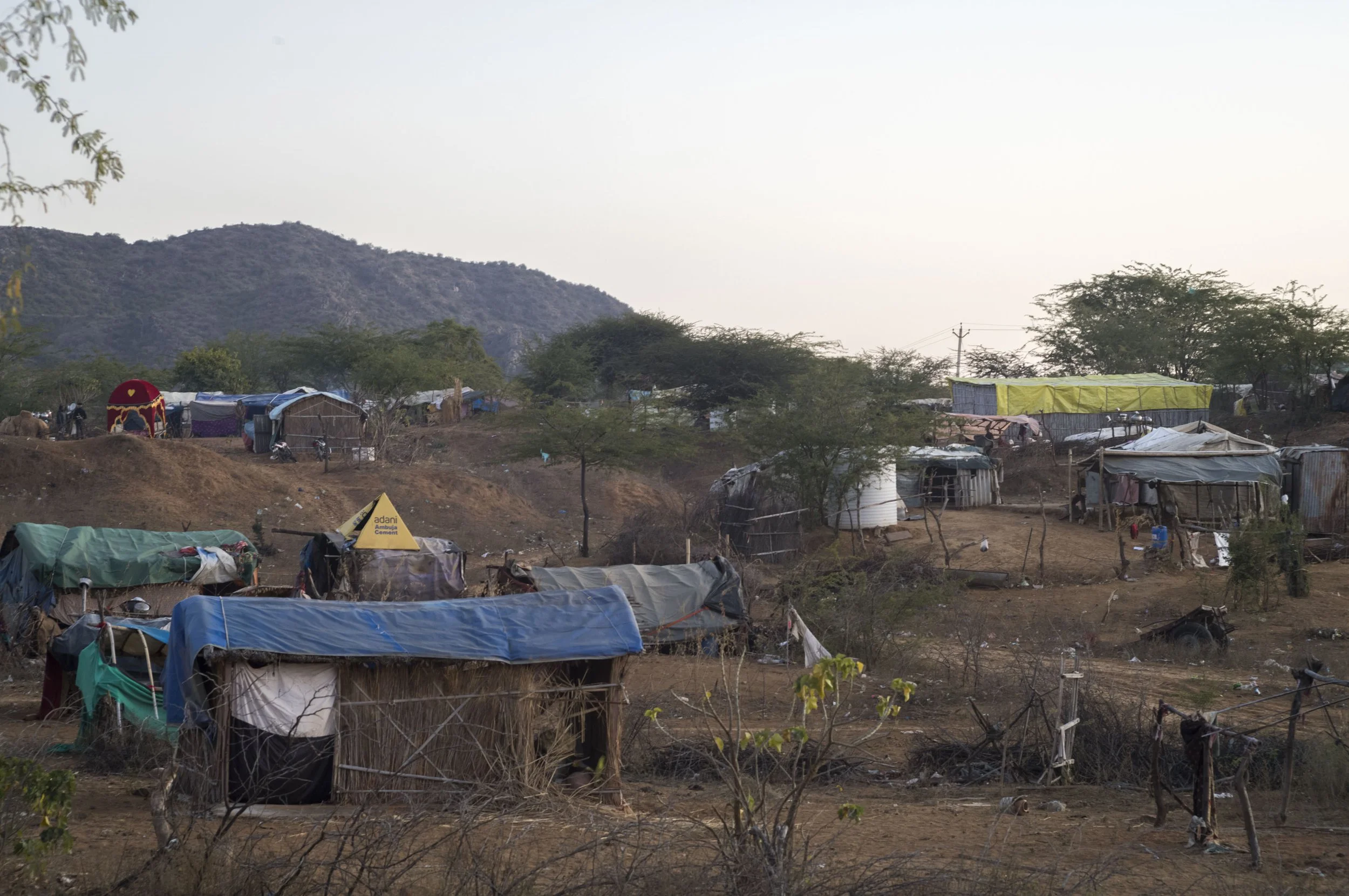
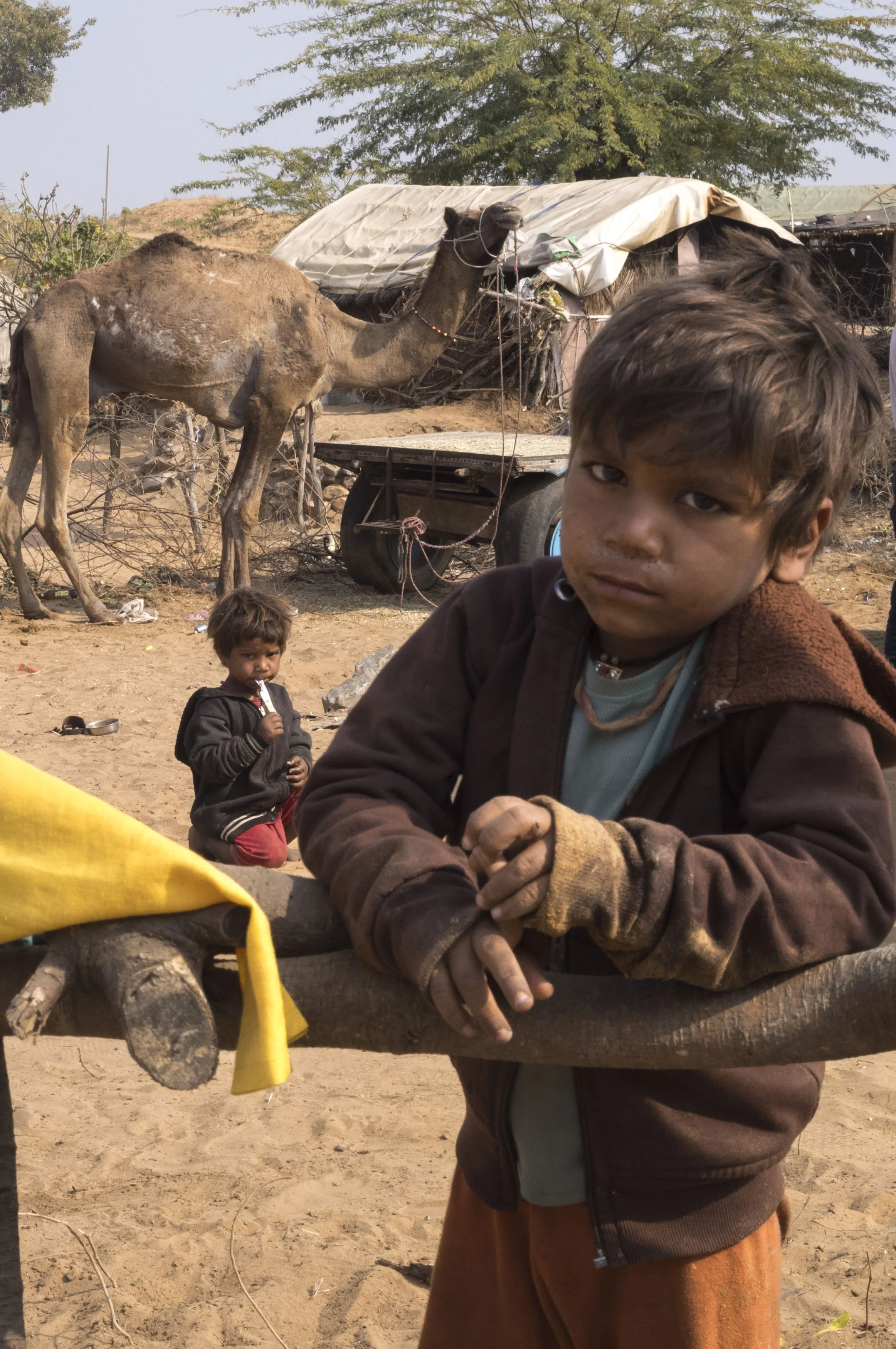
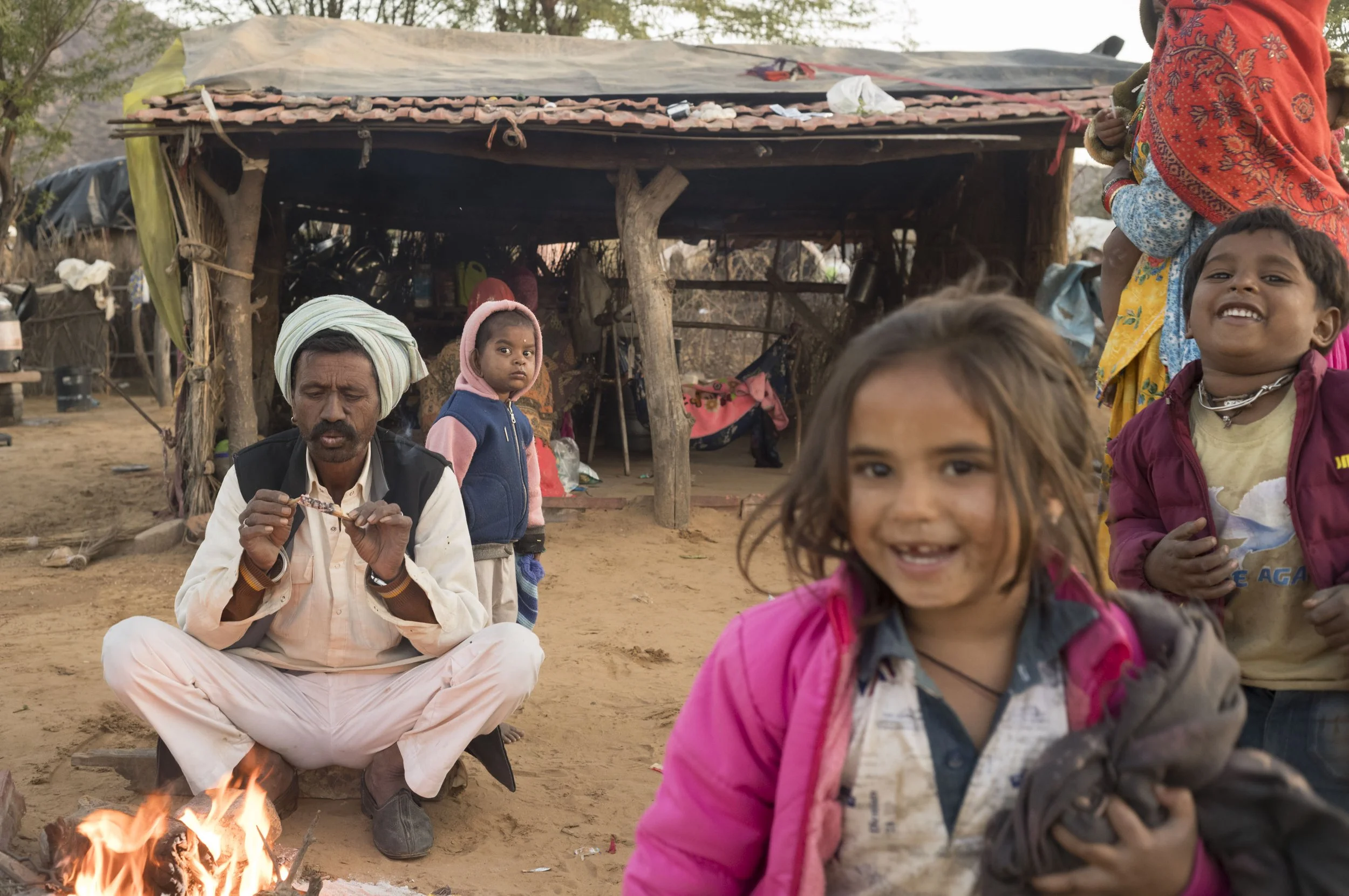
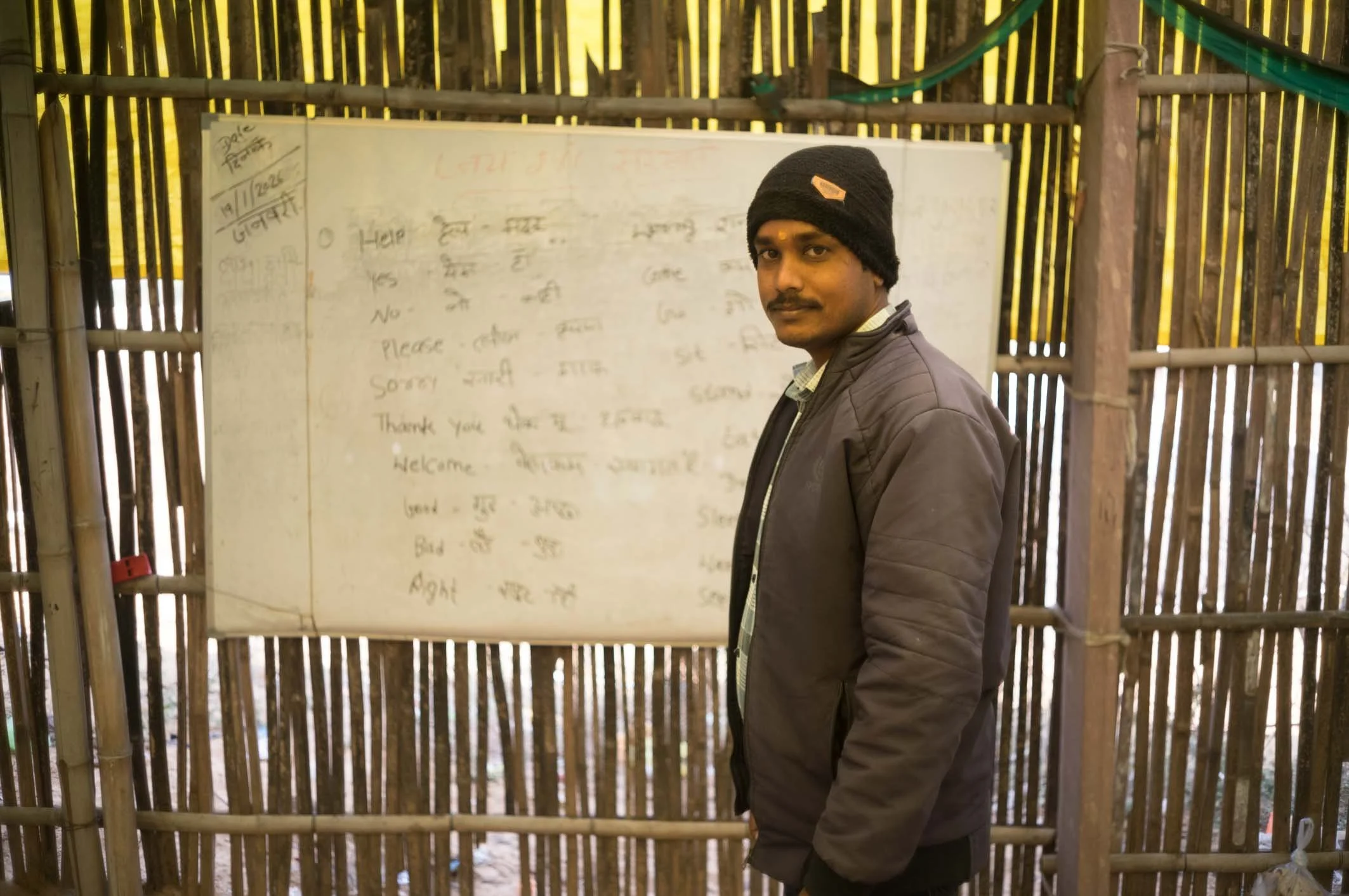
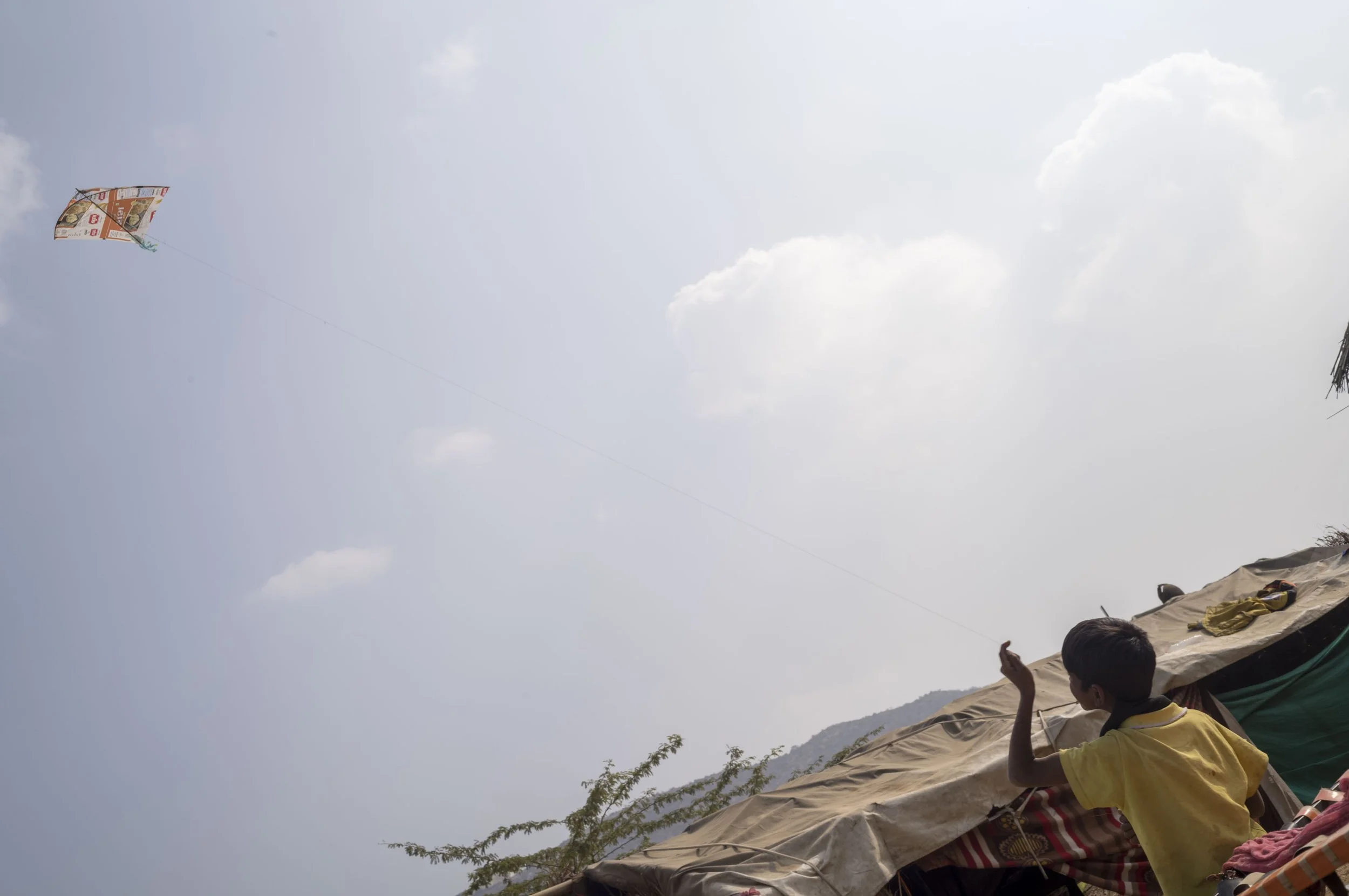
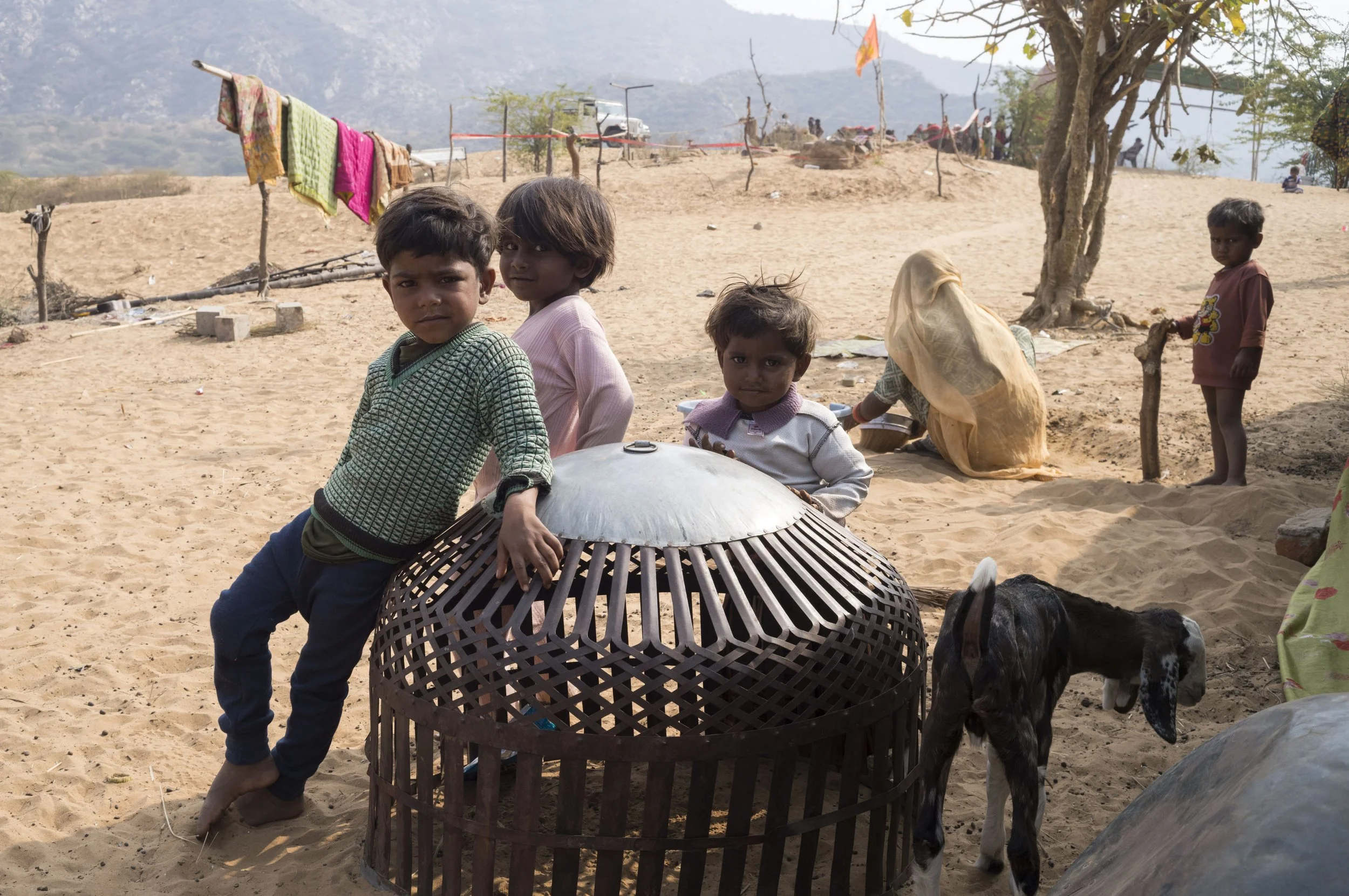
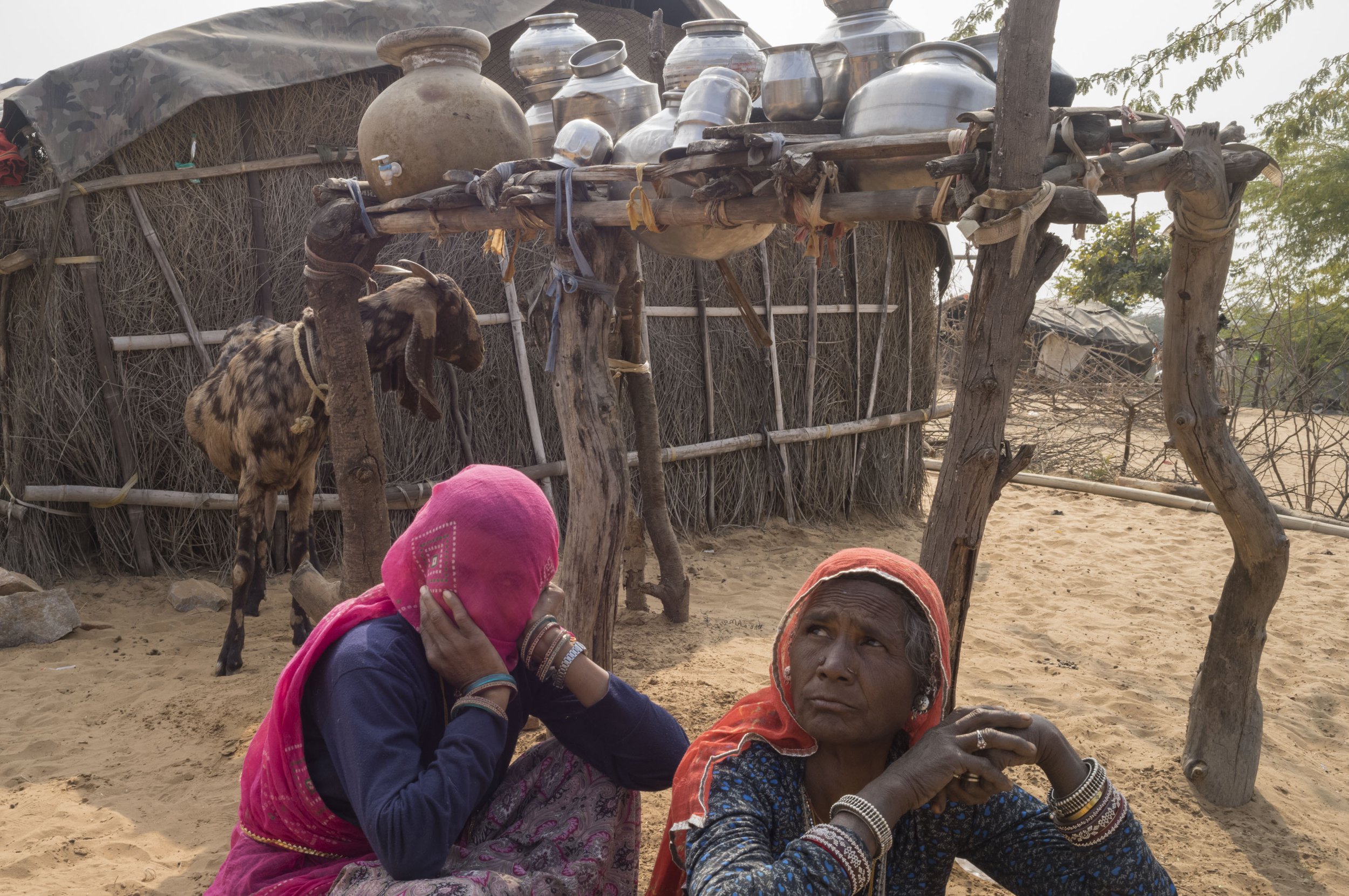
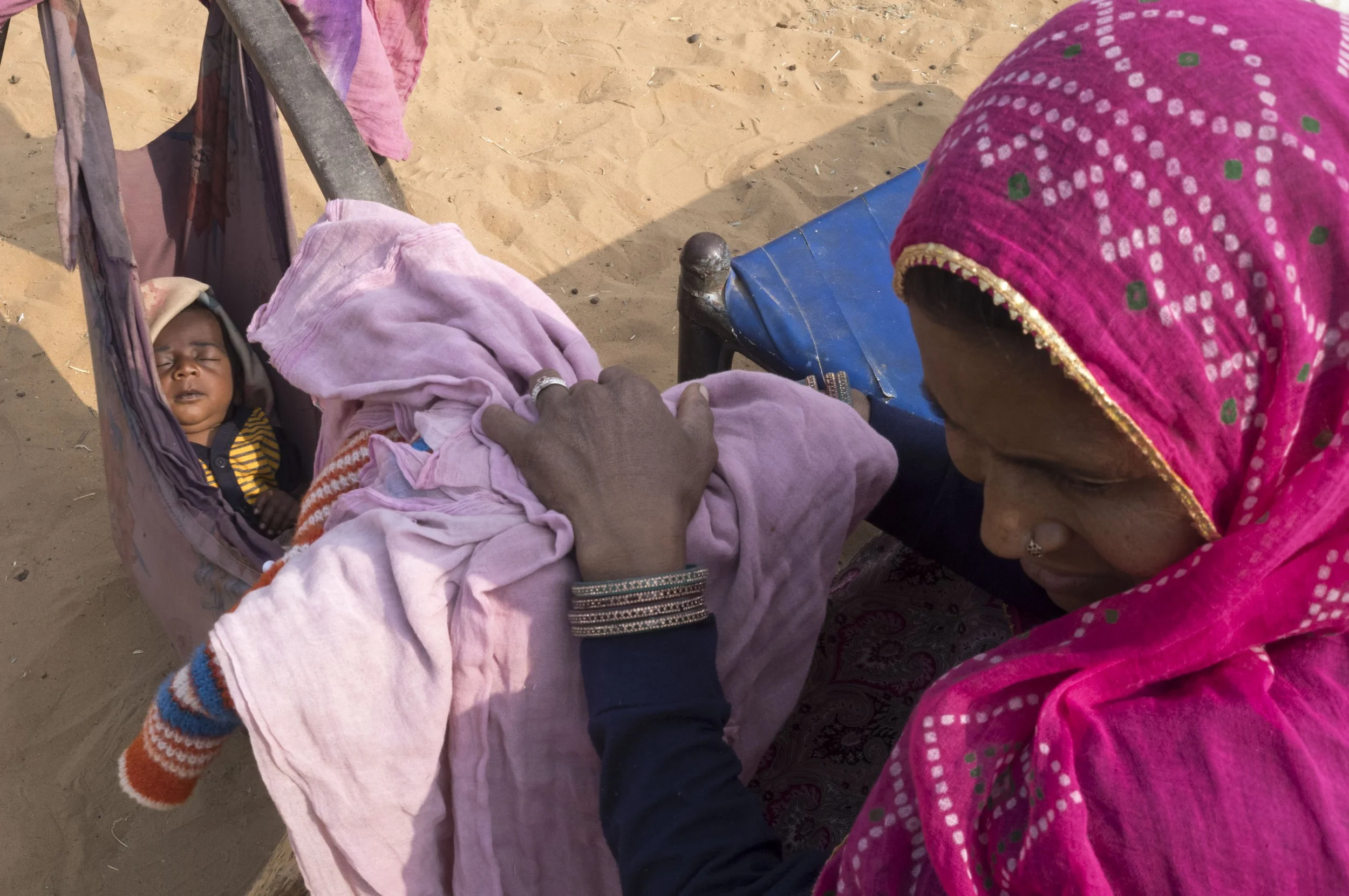
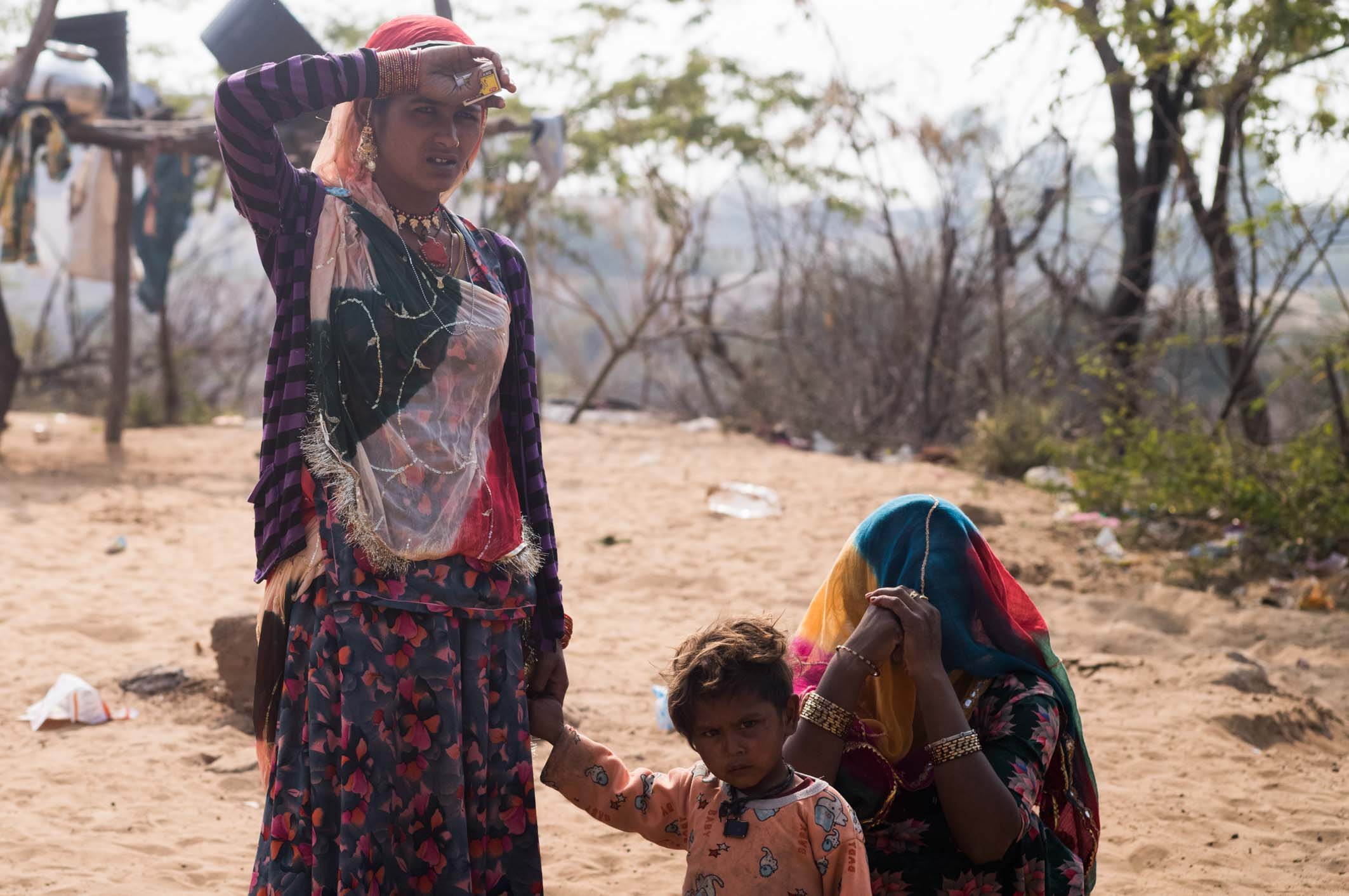
On the outskirts of the town, in the desert, lies a Roma settlement known as Bhopa or Banjara Basti. Living conditions are minimal, with no running water or electricity. Access to education and healthcare is limited. Despite this, there is a school in the area where around 50 children live and study under the guidance of professor Sitaram. Not all children attend regularly, as some are required to work, beg, or to take care for their families. Sitaram has been teaching there since 2019 and has developed a close connection to the community, continuing his work but also as a provider of medicines and basic healthcare.
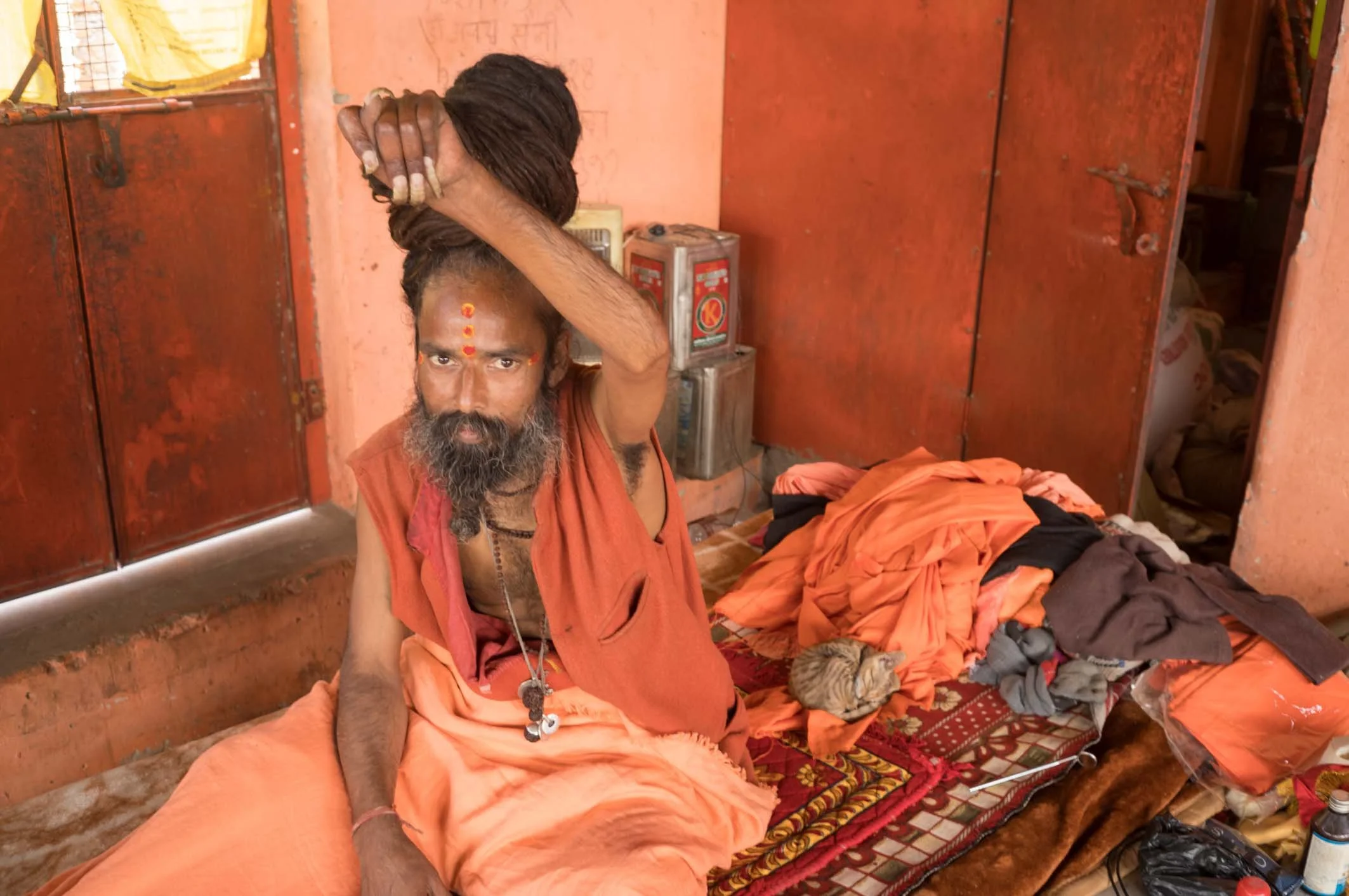
Within the village, amongst very few brick made houses lives a figure of Sanatan Dharma known as “Ek Haath Yog Baba,” the one-hand yogi. Who has been practicing penance in Bhopa for many years, standing continuously for over a decade. In recent years, he has kept one arm raised for six years straight . According to the teacher, he supports people who come to him by arranging food and water and distributing it.
On the day before my arrival, I met another baba, a Hindu priest famous for eating only potatoes for 30 years. When I told him where I was going, he spoke about the meaning of life, the role of nature, and the idea of balance, concluding with the words: “No Sun, No Life, No God.”
Returning to these words, considering their meaning and the perspective of someone who from a different cultural background comes to foreign yet to be explored culture. I was always fascinated by the ultimate Truth - God seeking , and the belief of each culture who think that they are on the right path of the ultimate truth.
Eventually I began to understand the words of the so called Potato Baba from my own perspective.
Bienvenidos a Luna -
Caballos y Caballeros
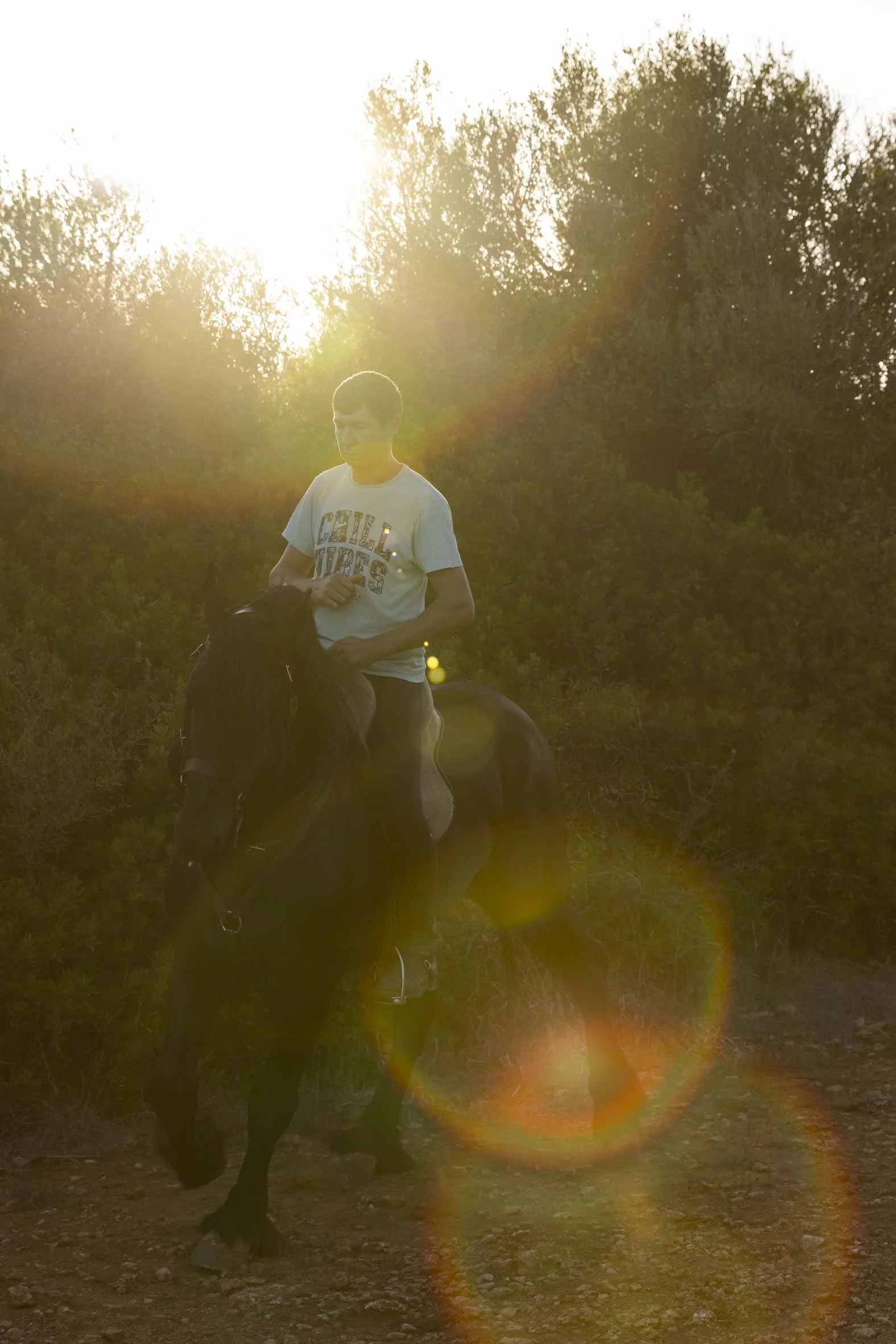
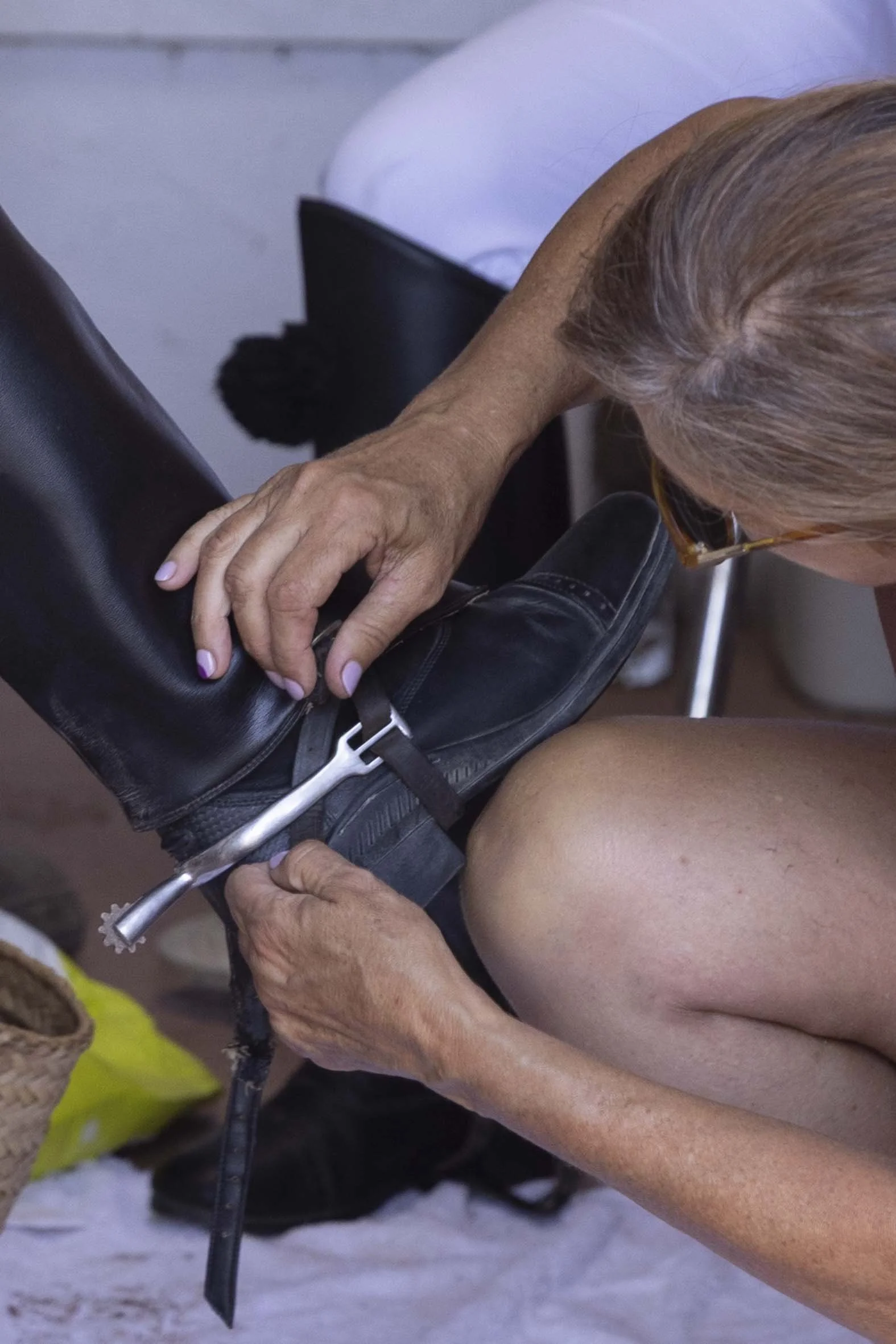
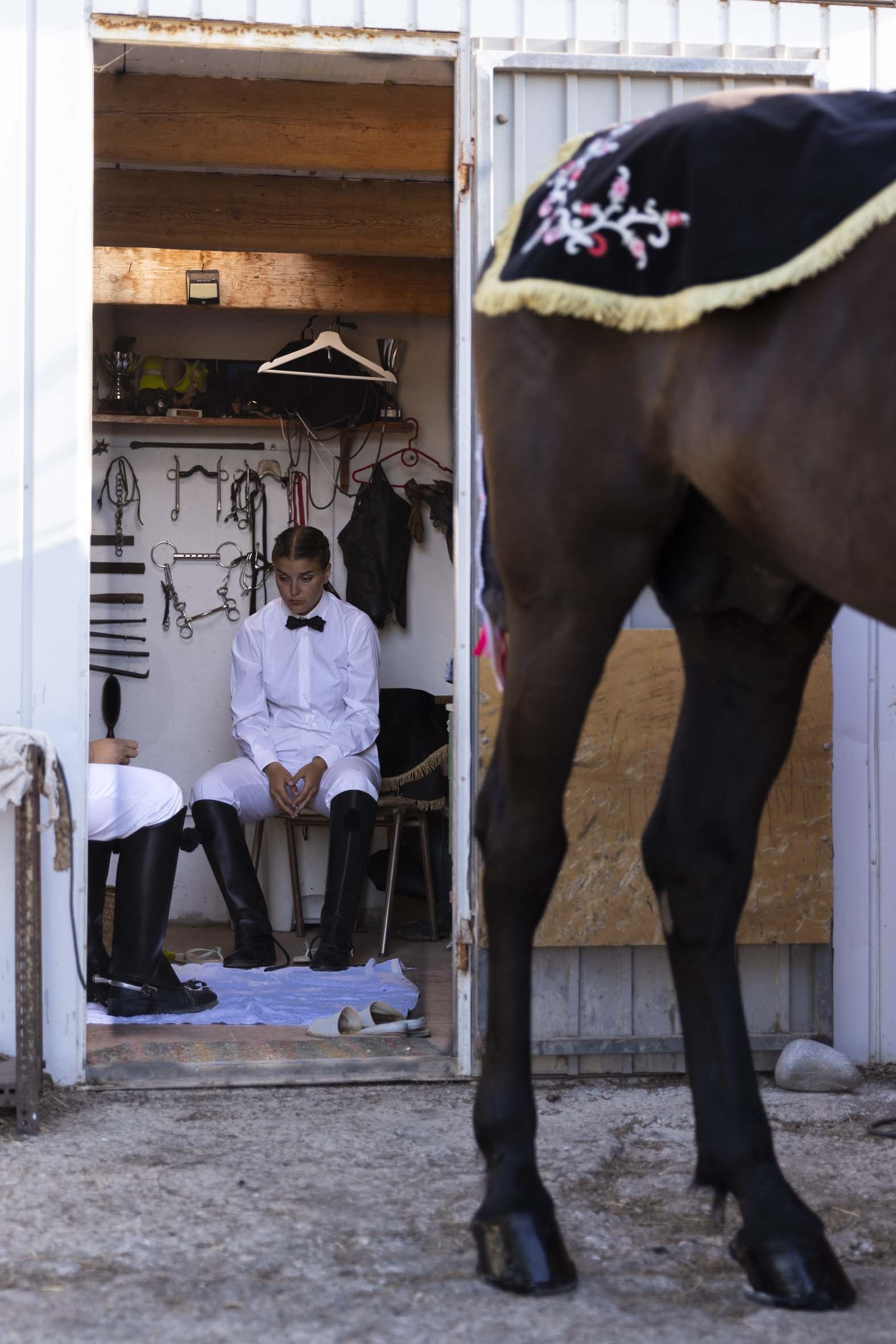
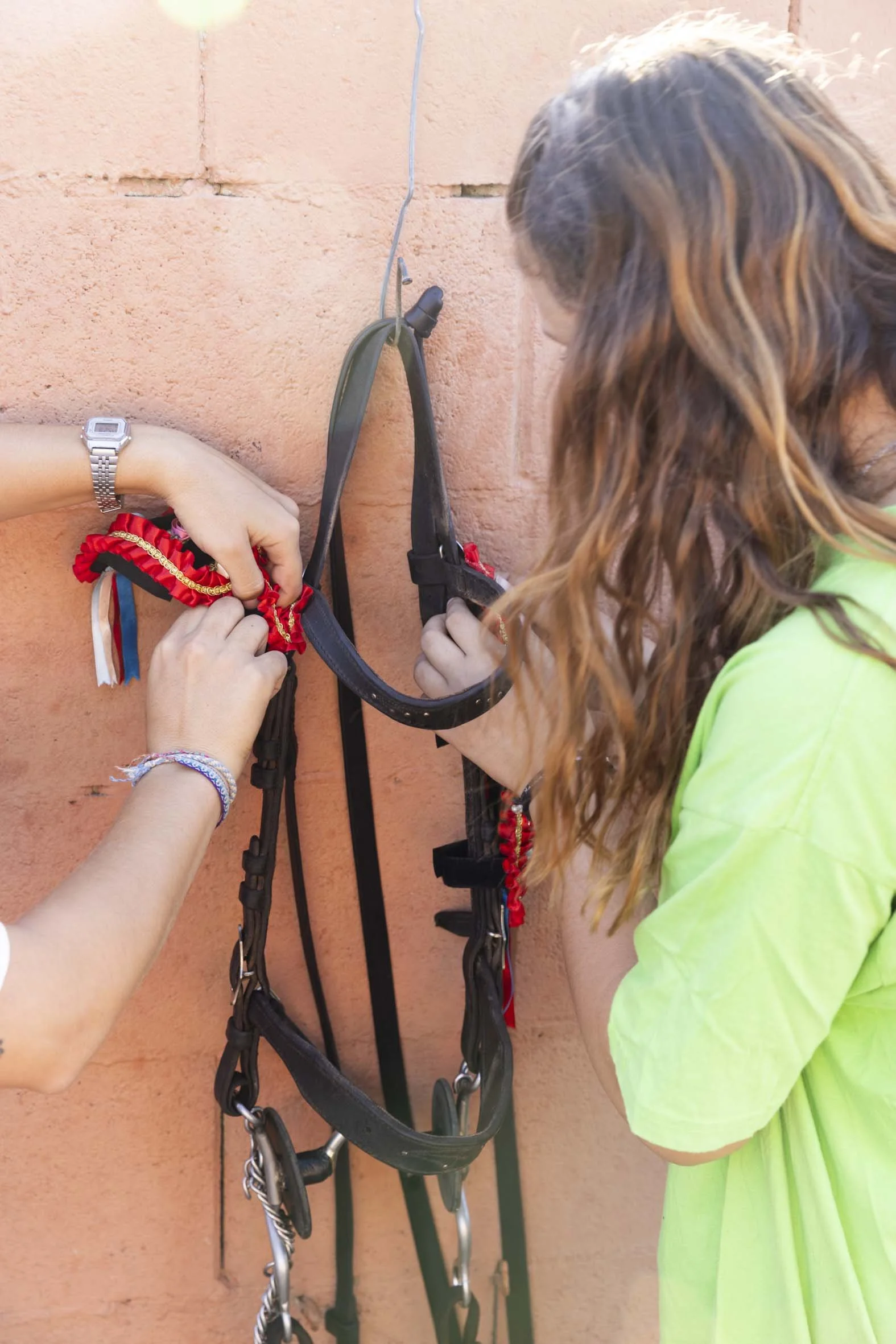
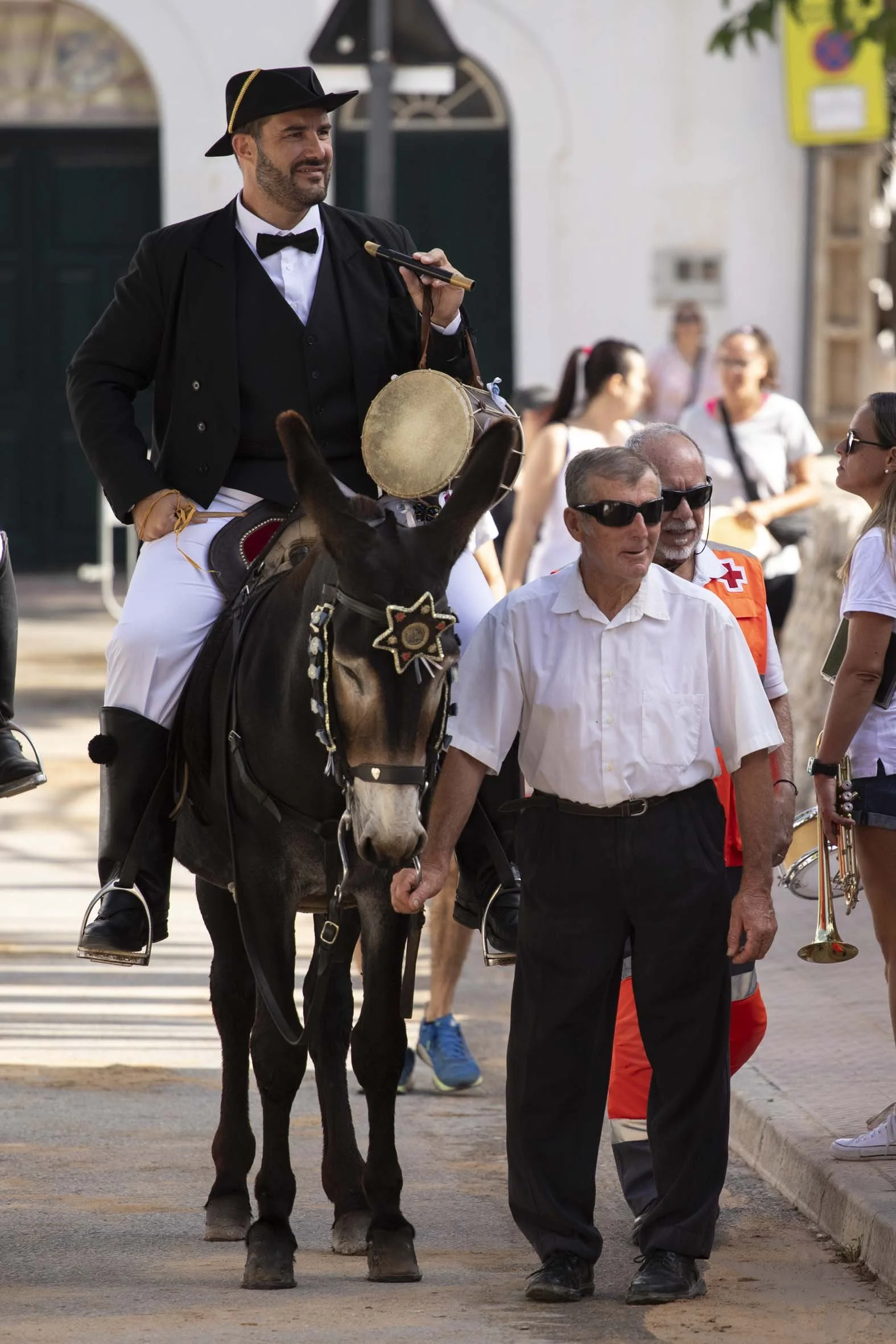
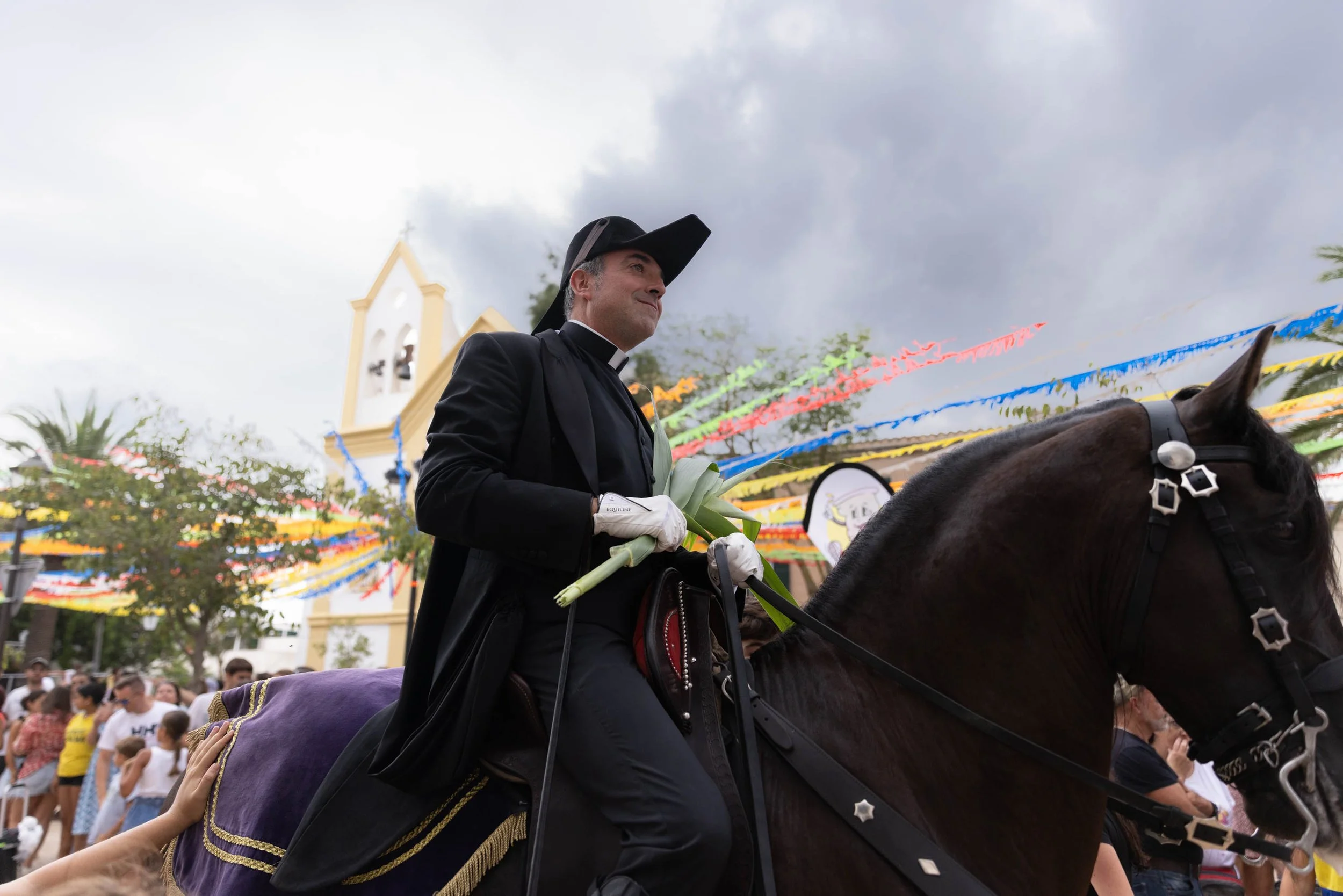
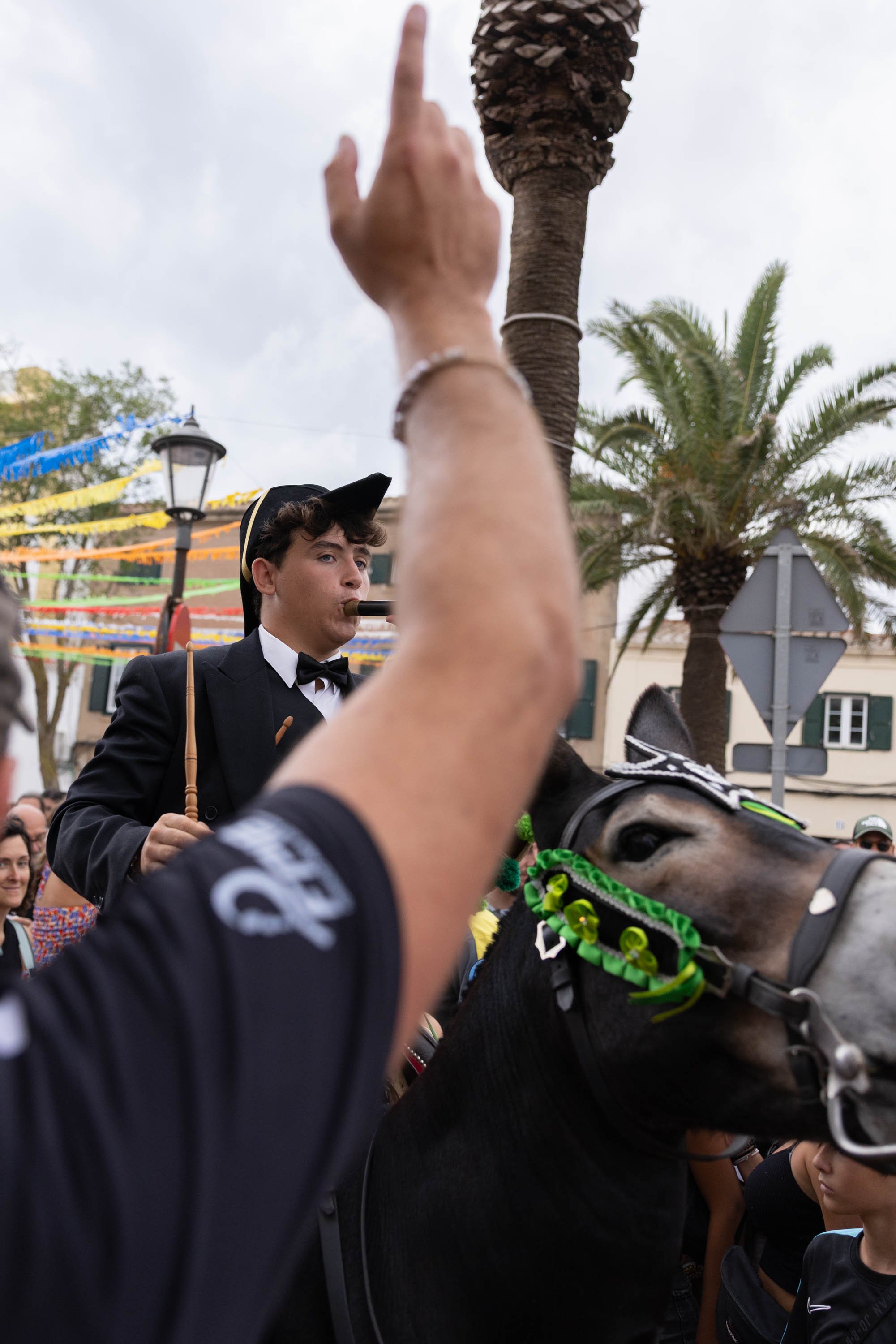
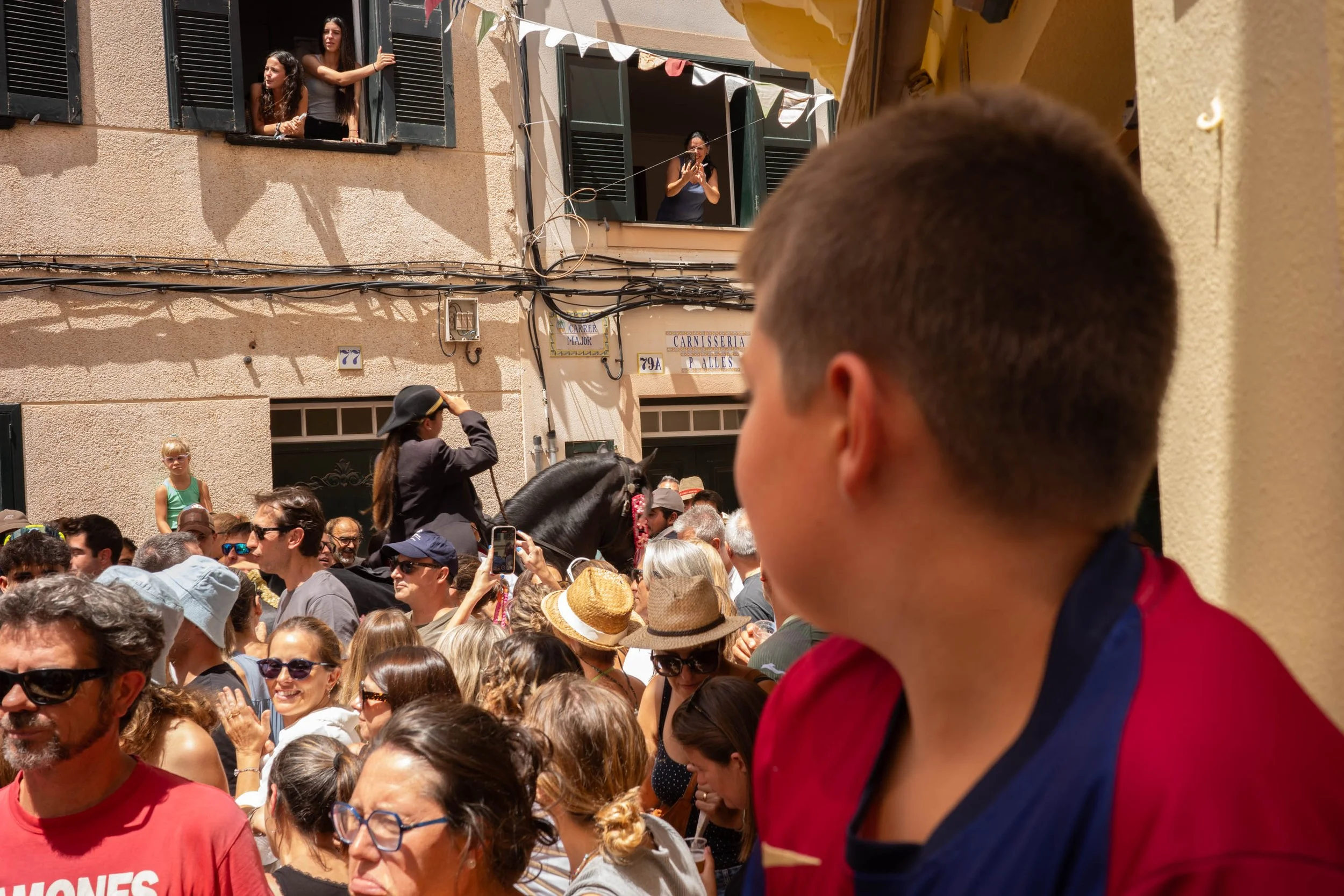
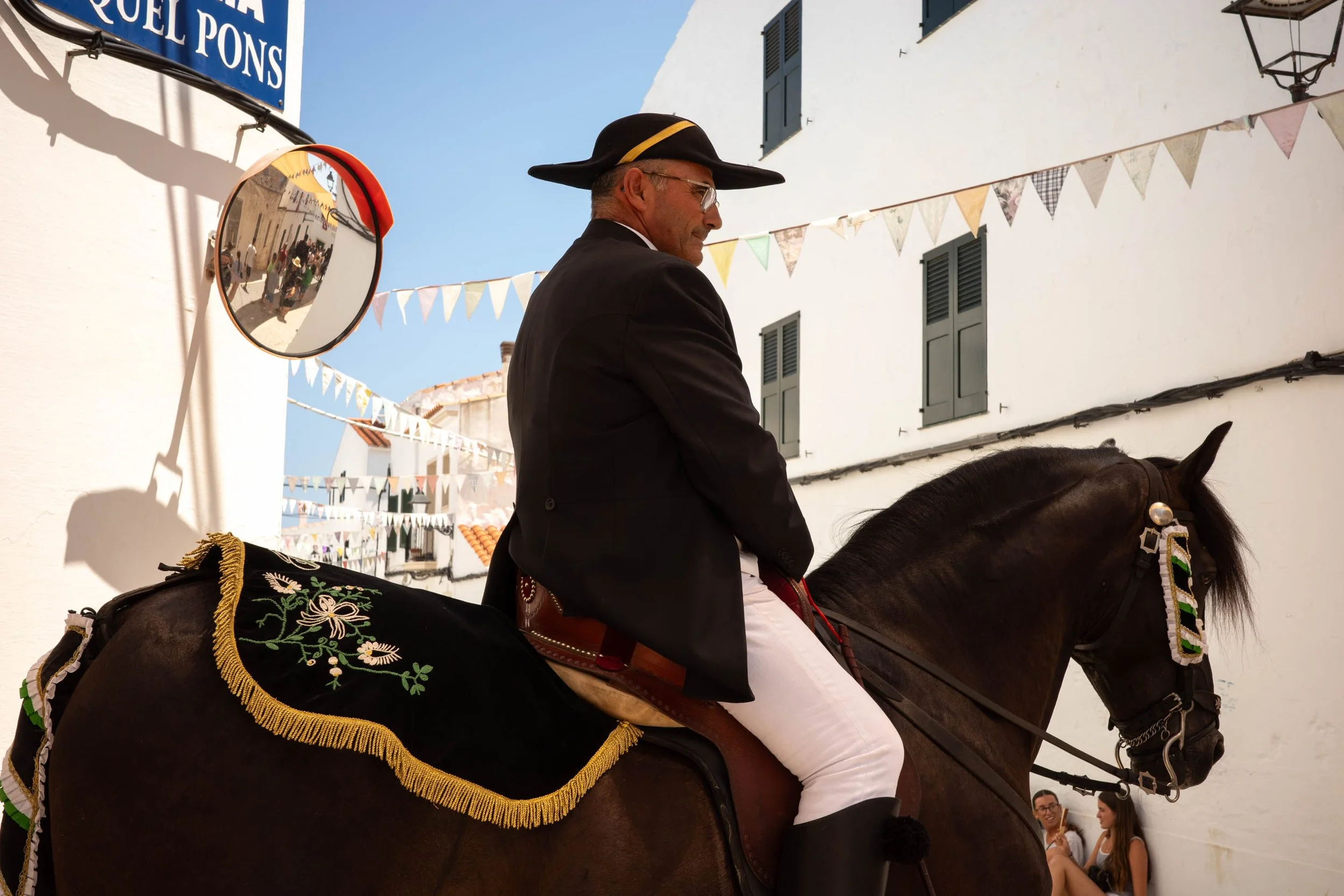
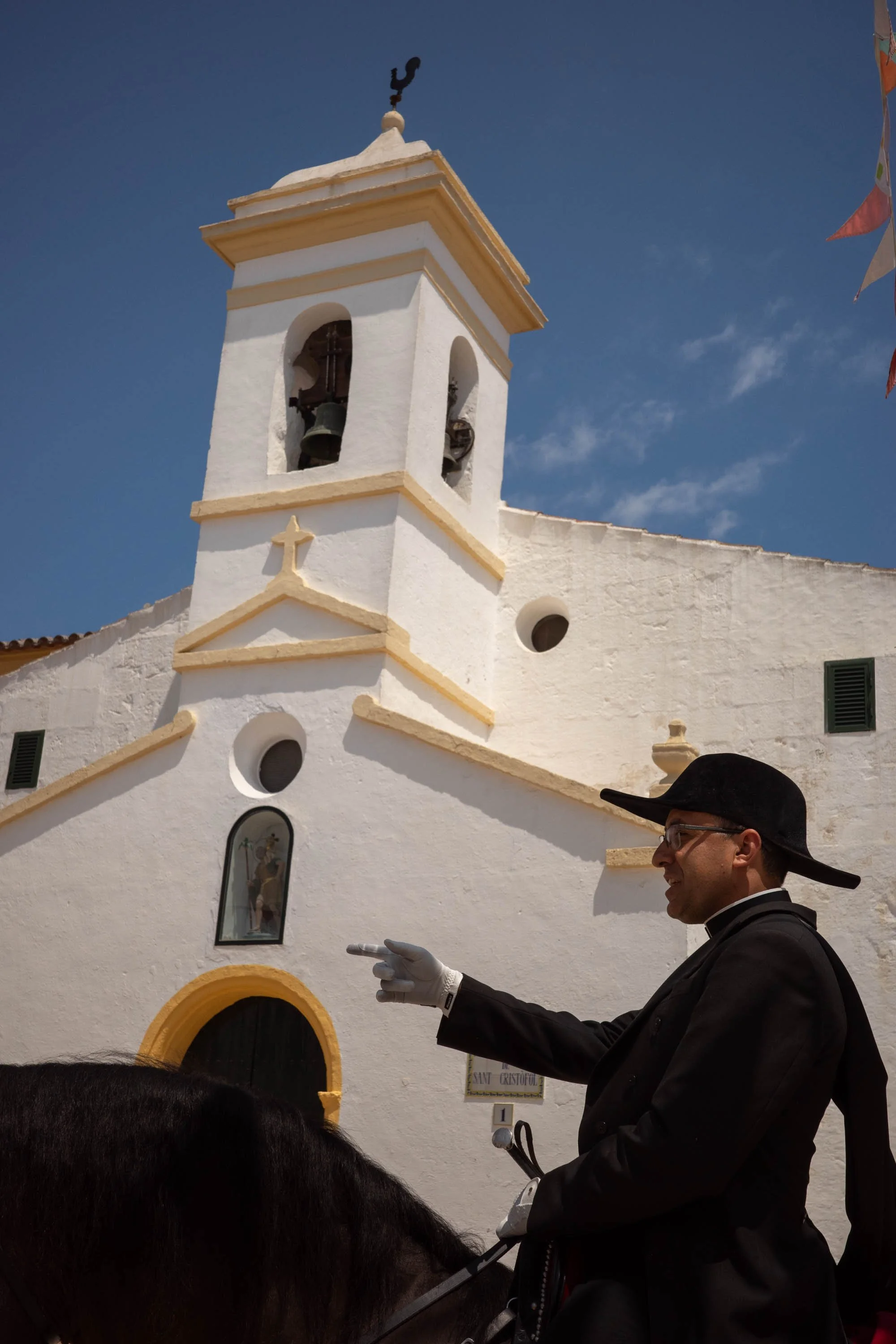
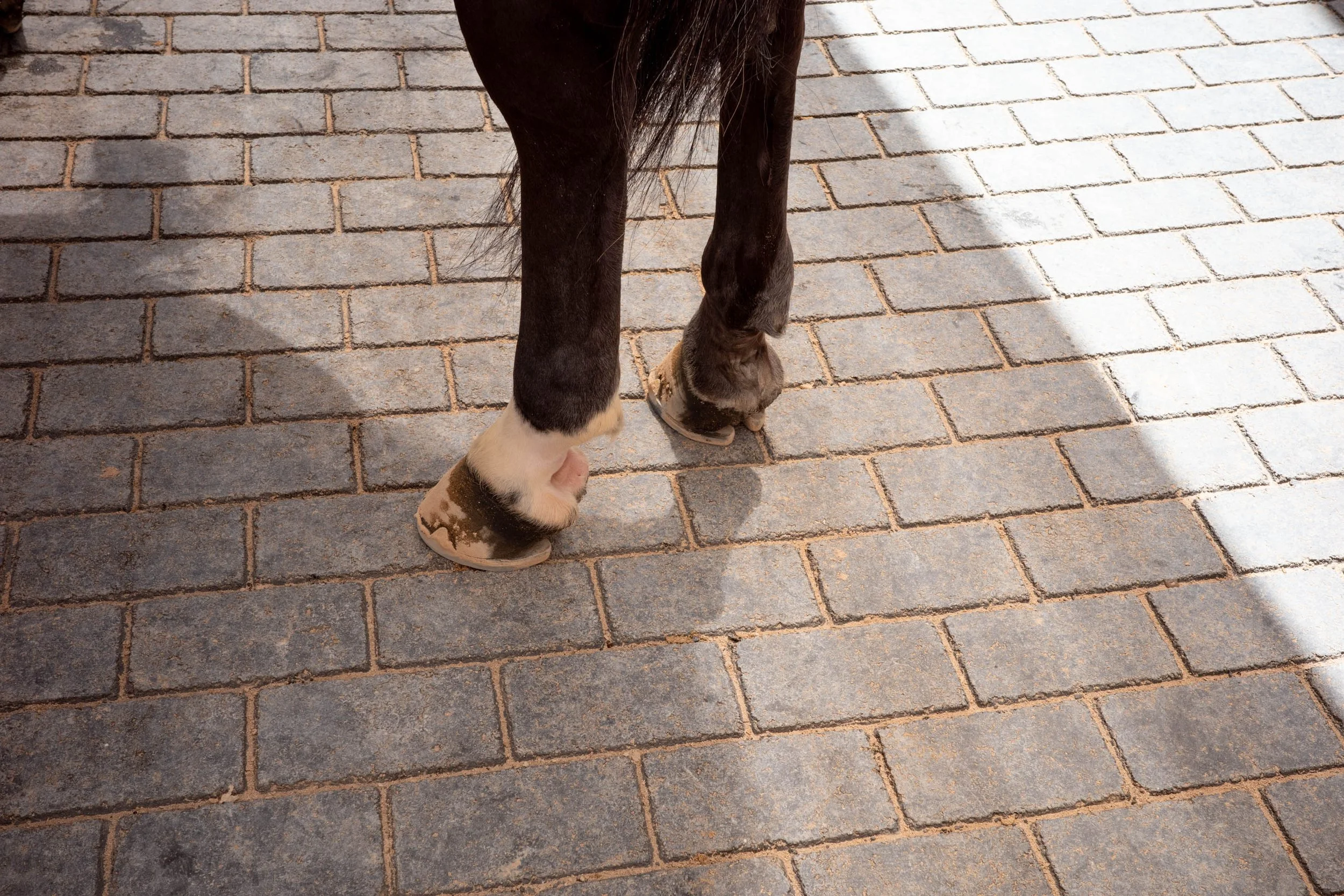
Welcome to Luna – Horses and Knights, a long-term photographic project that began in 2021, during the COVID era, out of pure curiosity about the island of Menorca and its local culture.
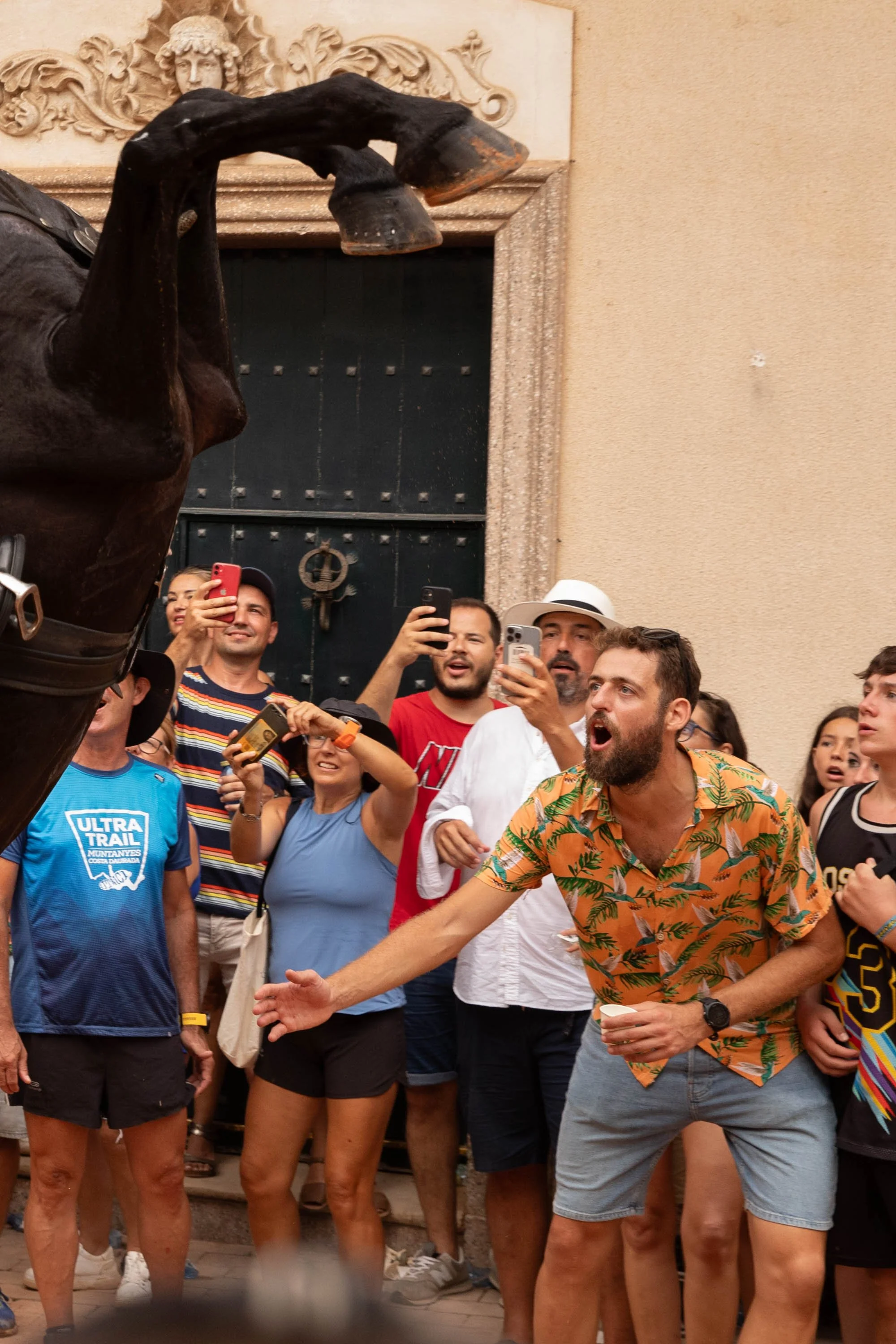
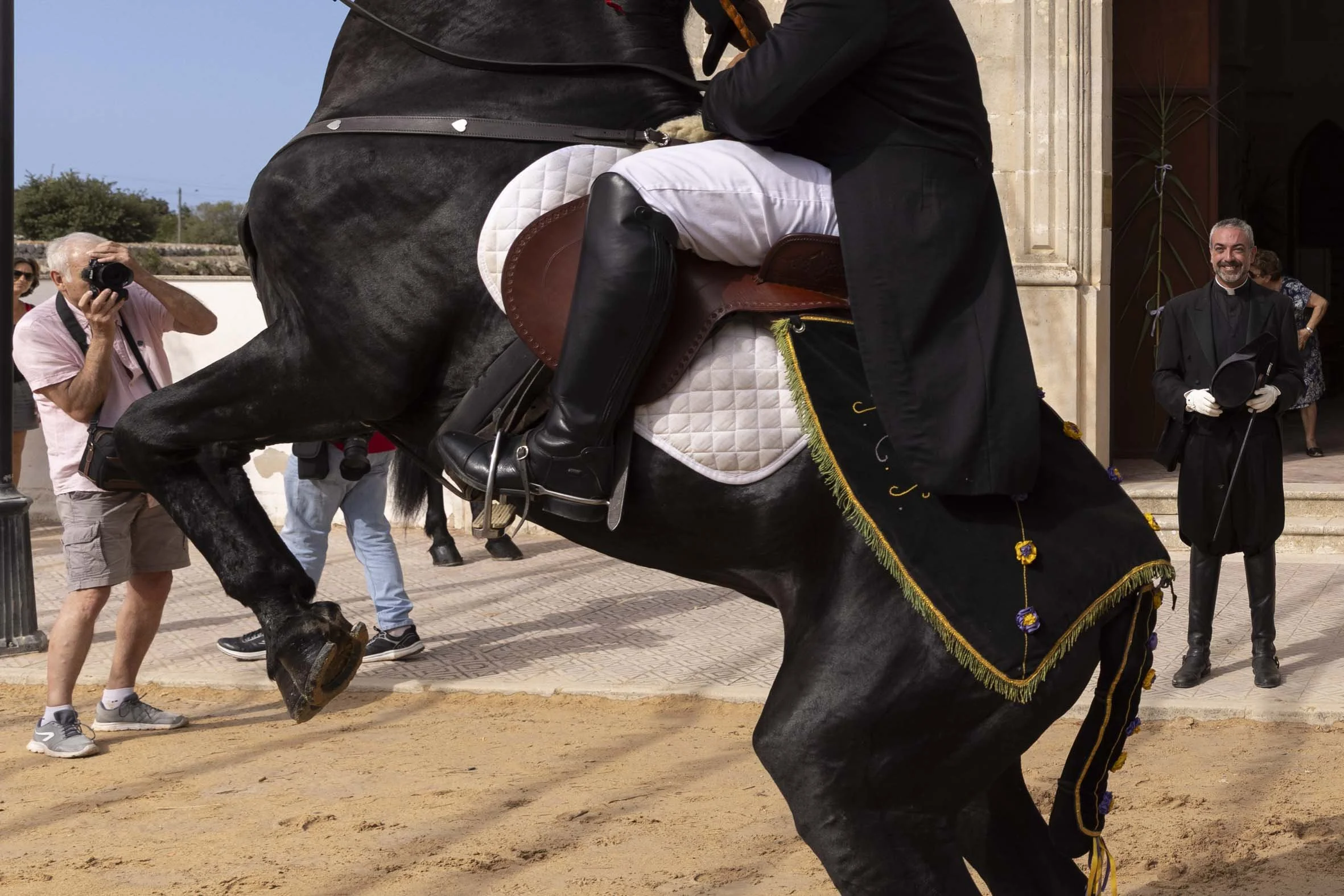
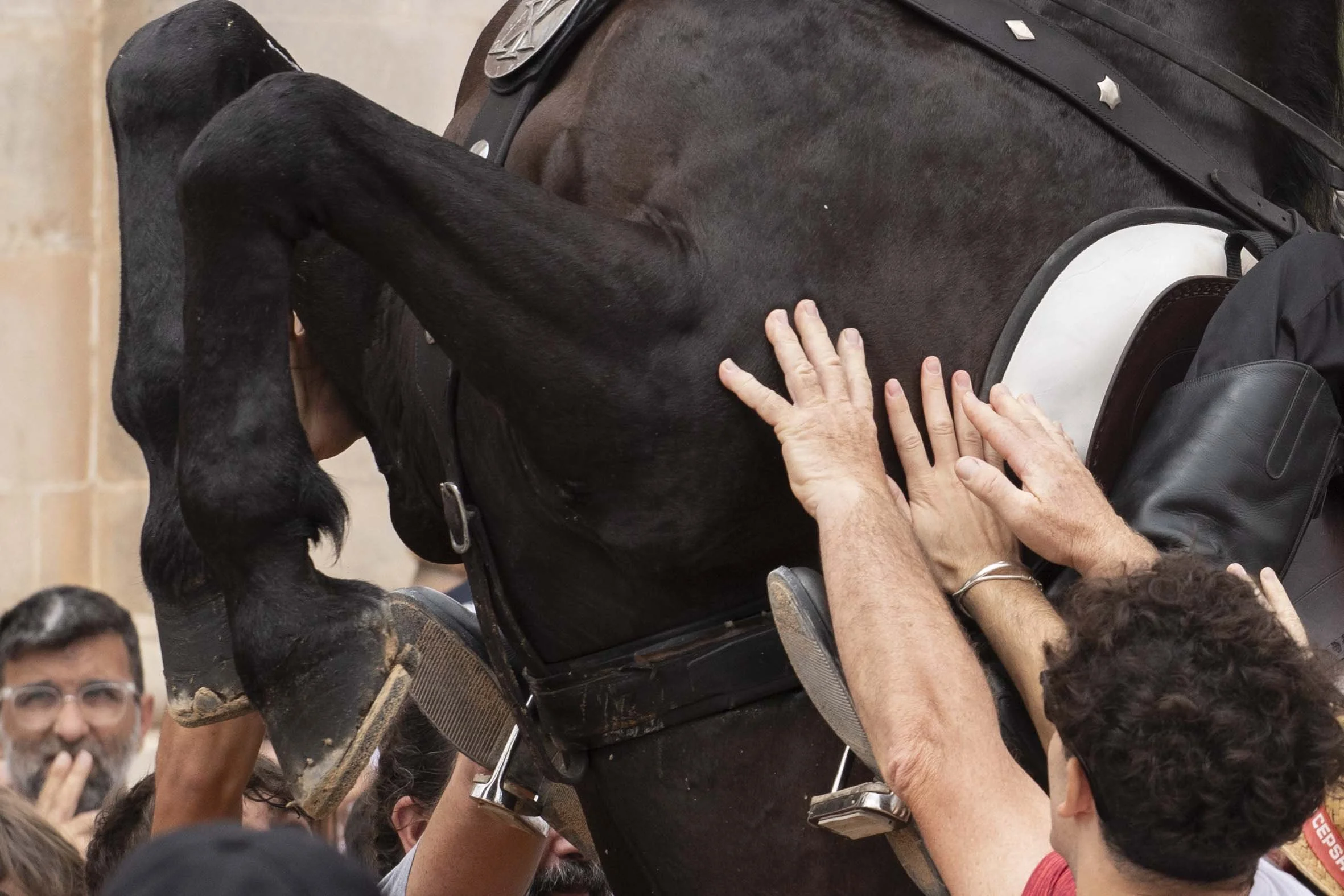
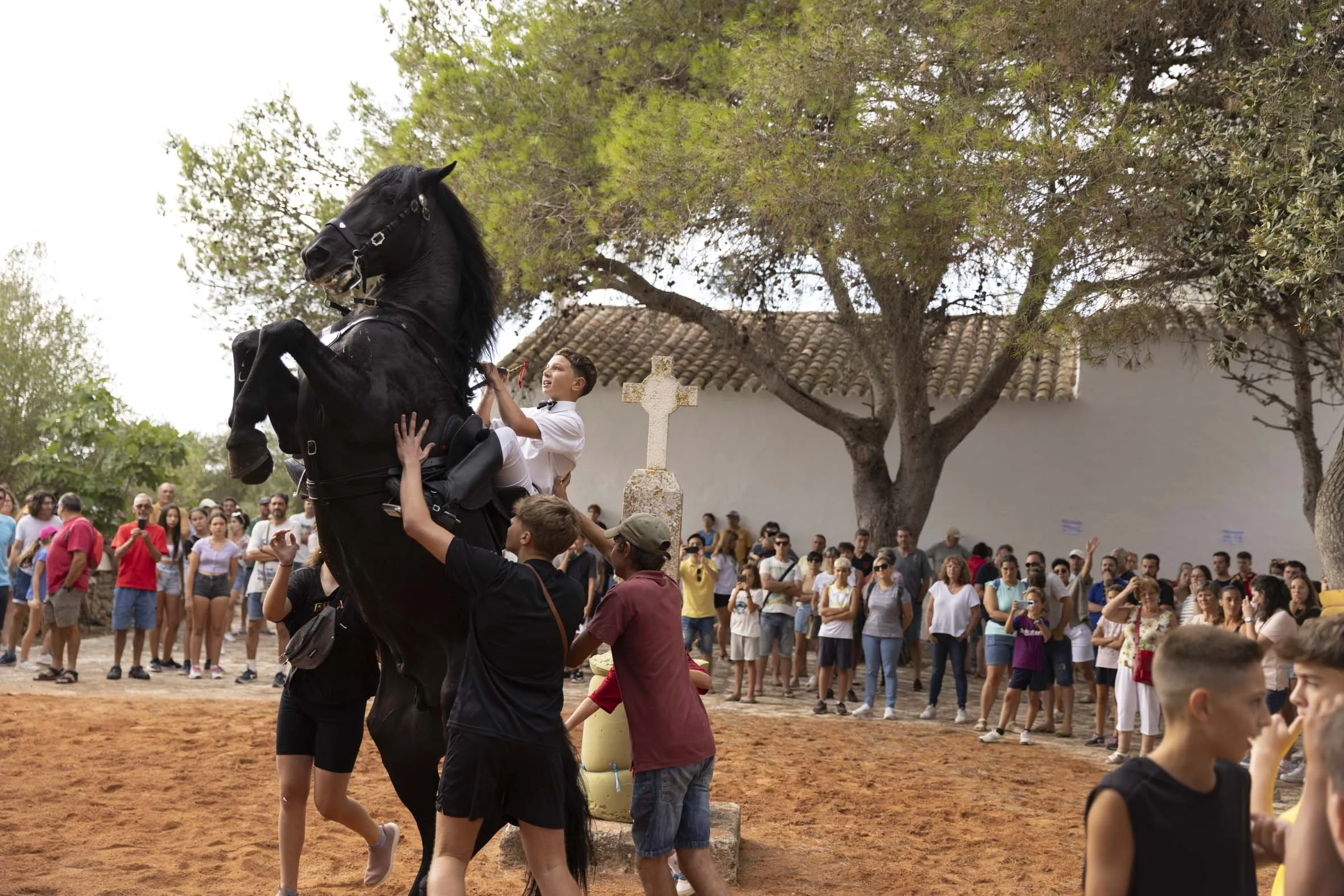
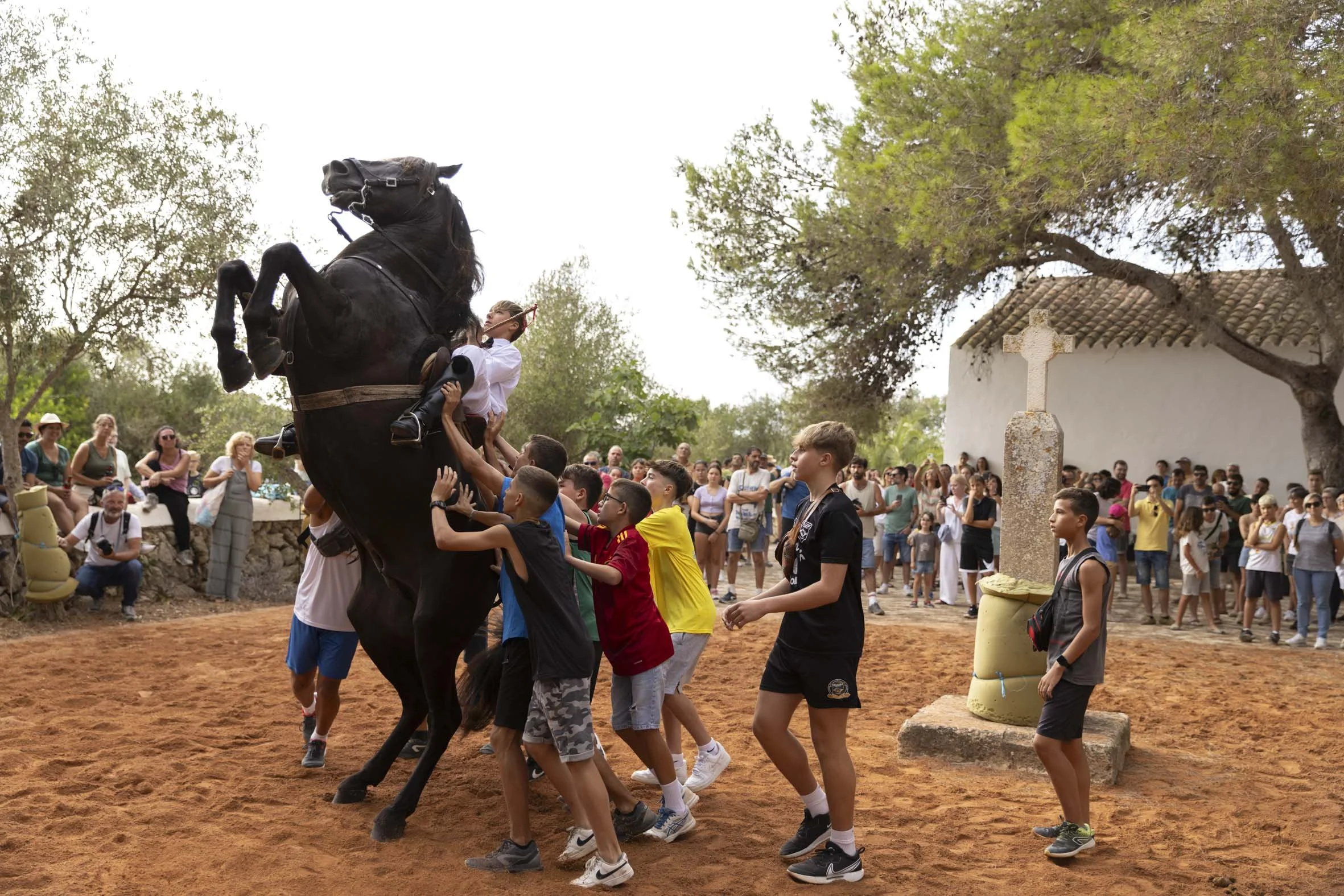
In 2022, I had the privilege of witnessing my first Jaleo — the highlight of the Menorcan town festival, when horses rise onto their hind legs as the crowd reaches out to touch their chests, close to their hearts, a gesture believed to bring good luck. The momentum of the event, fueled by a euphoric crowd, is almost mesmerizing — it makes you want to be part of it.
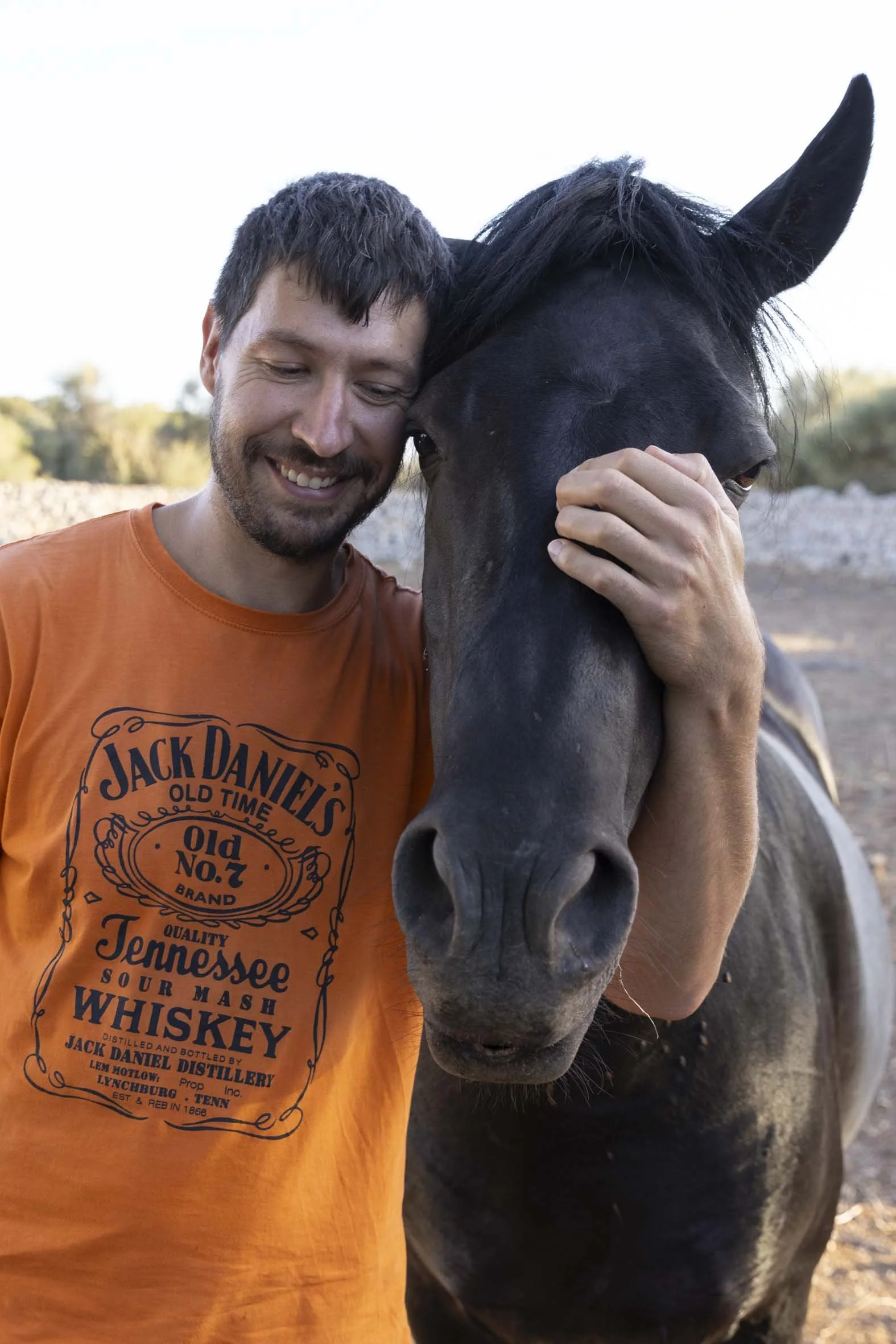
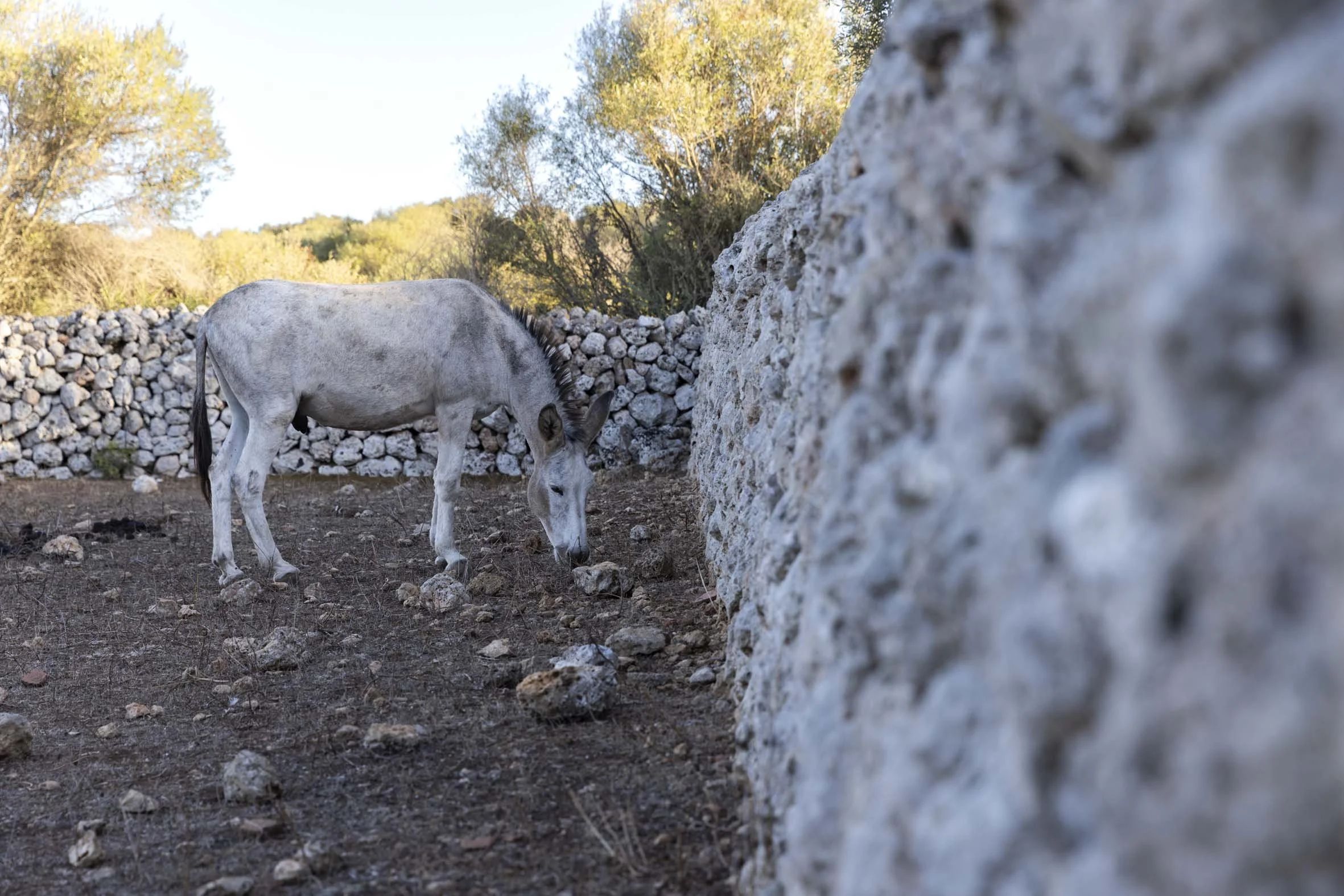
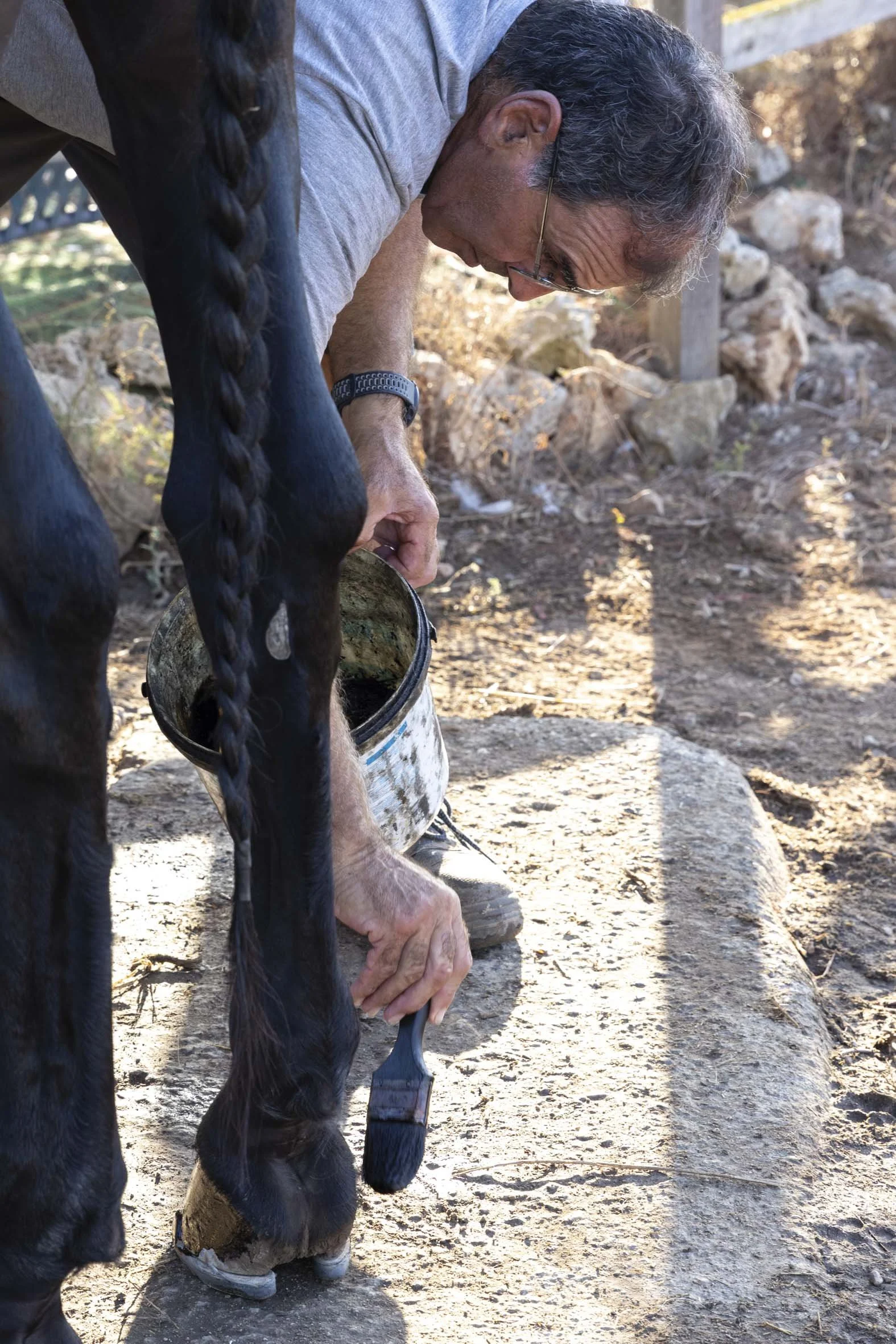
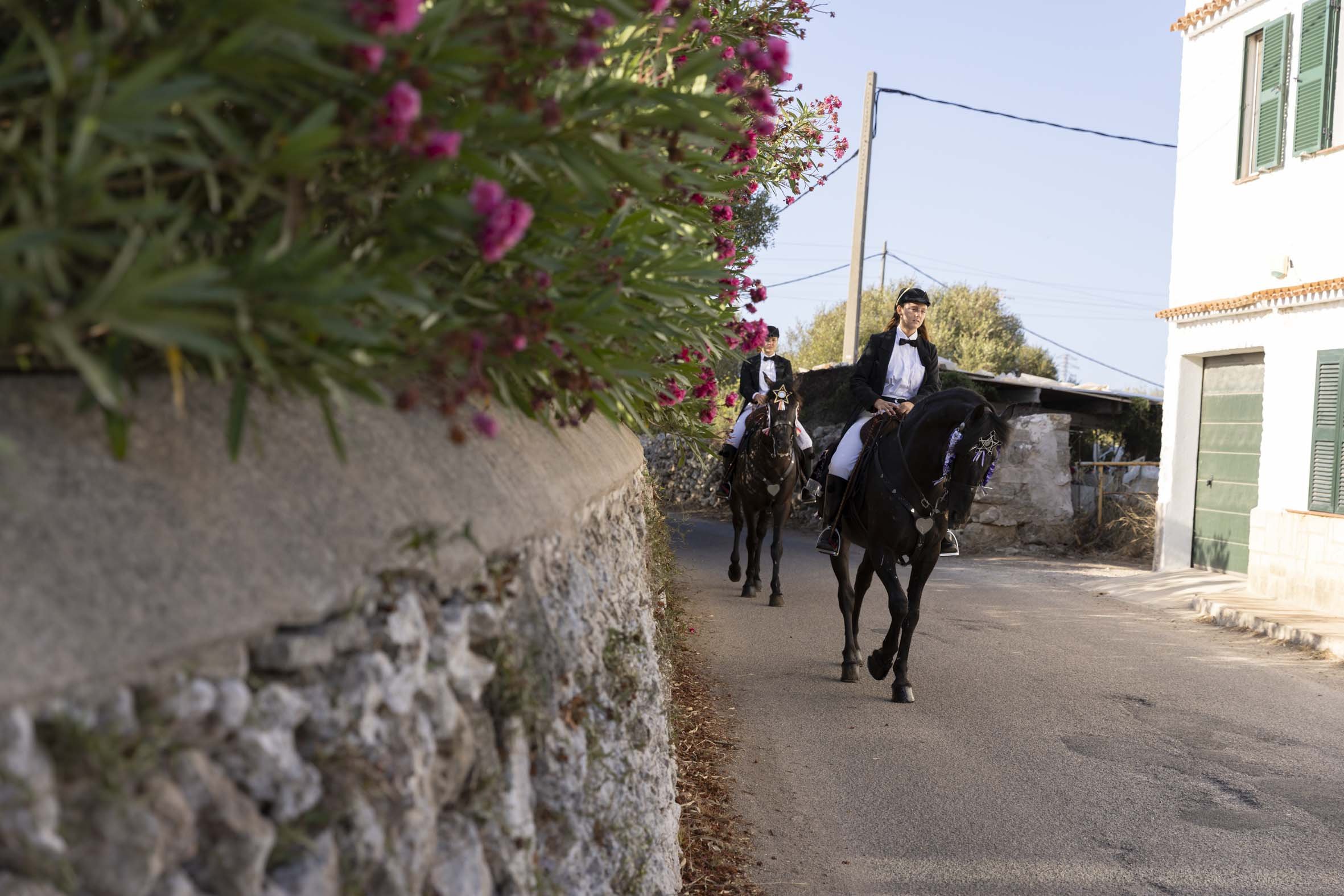
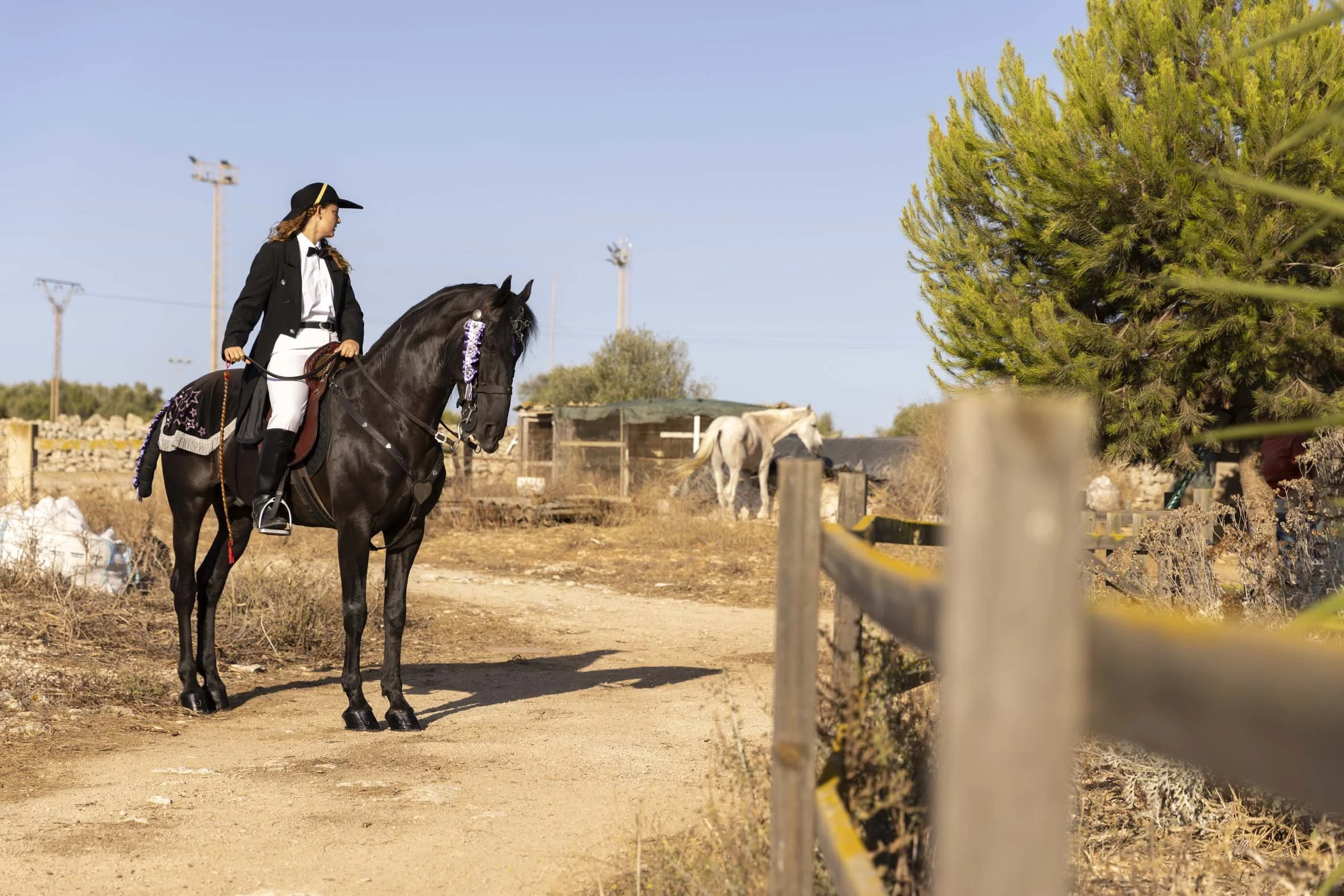
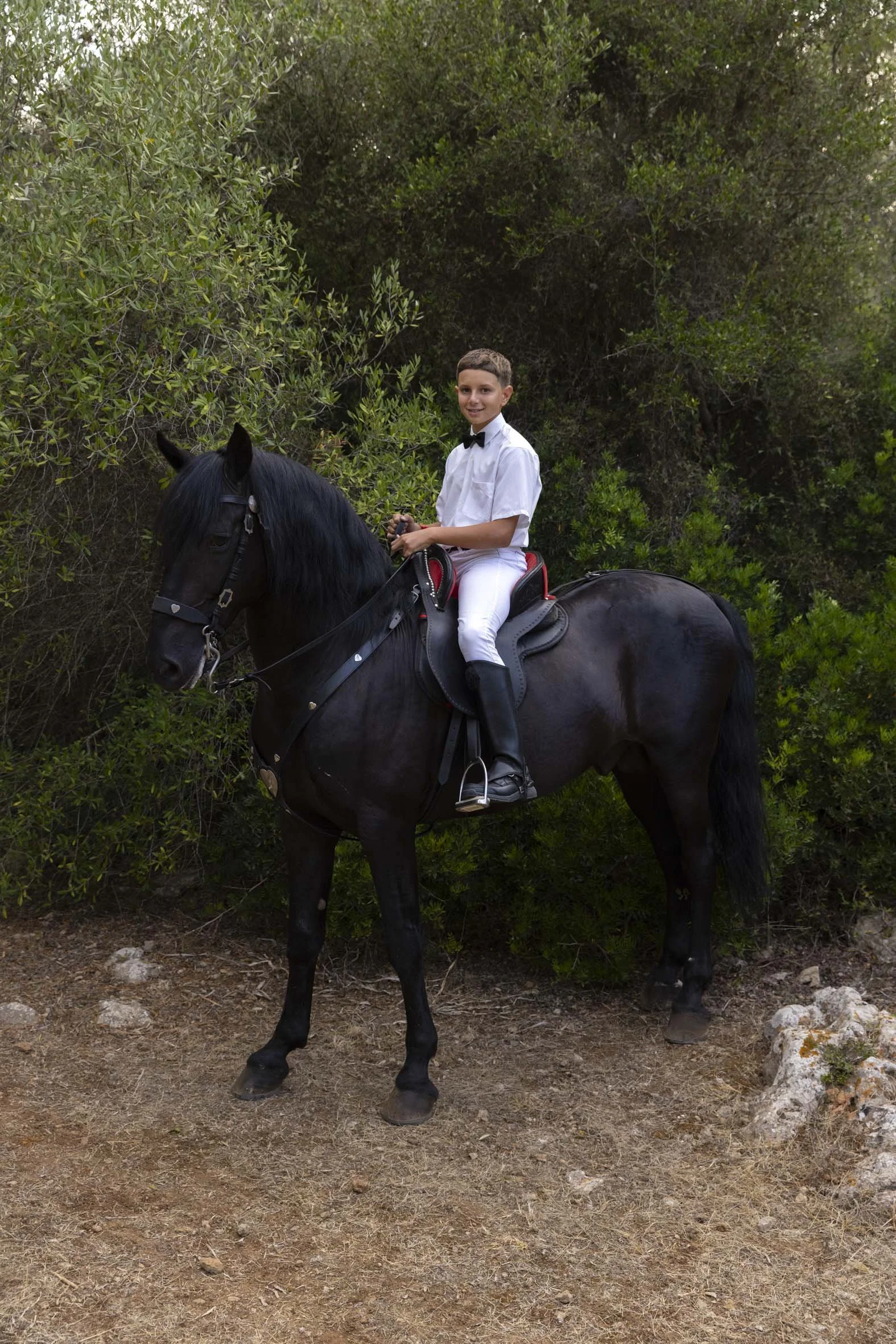
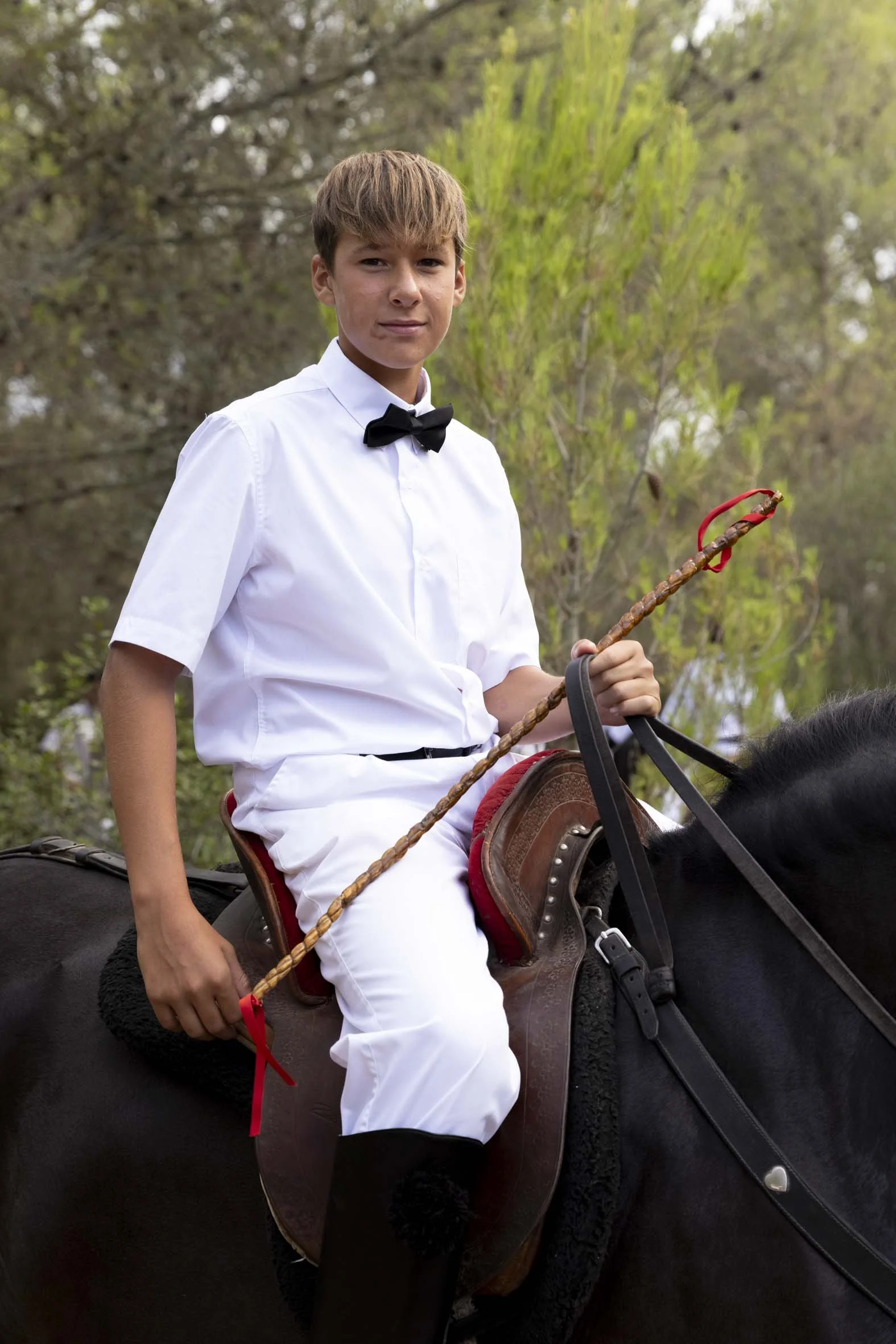
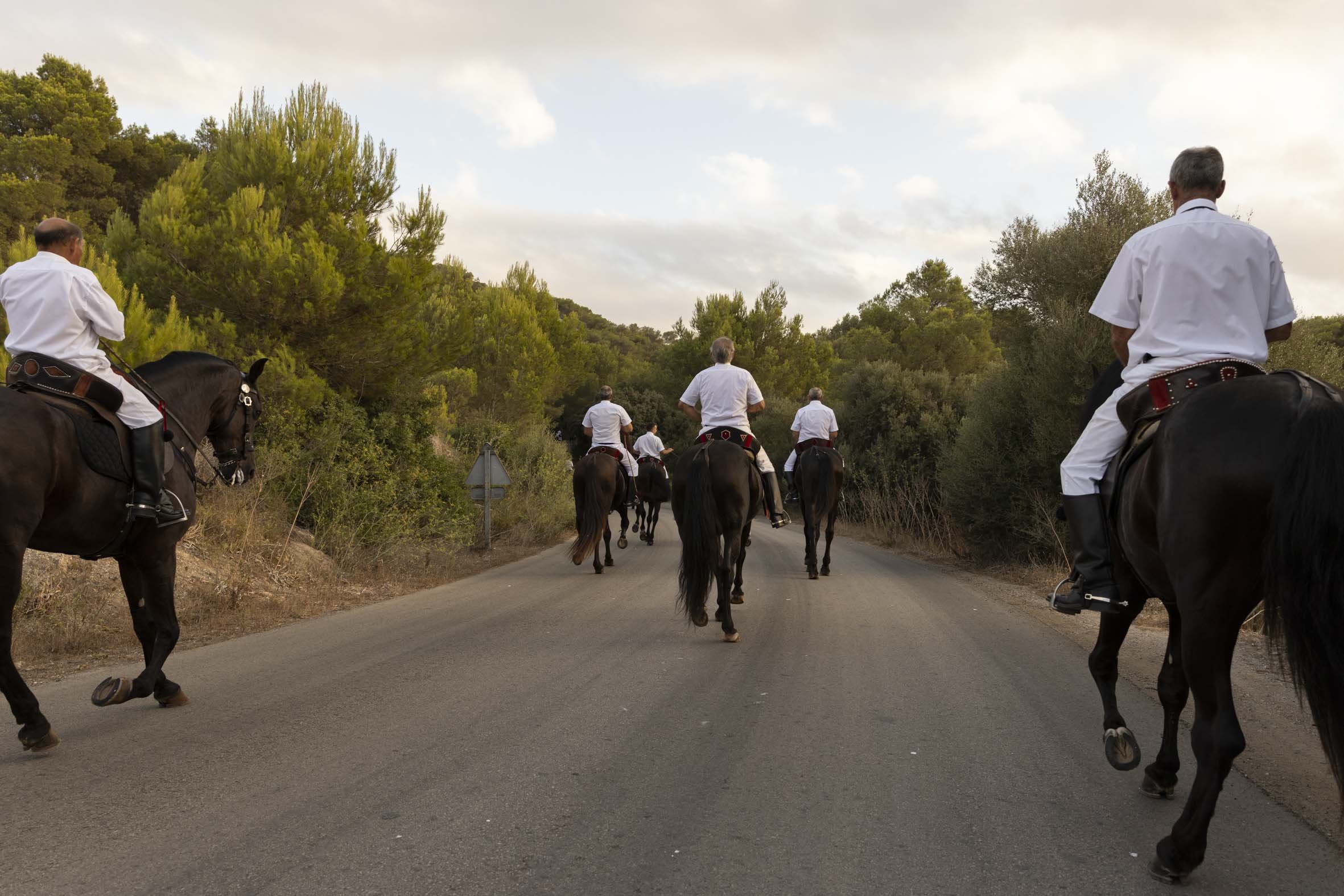
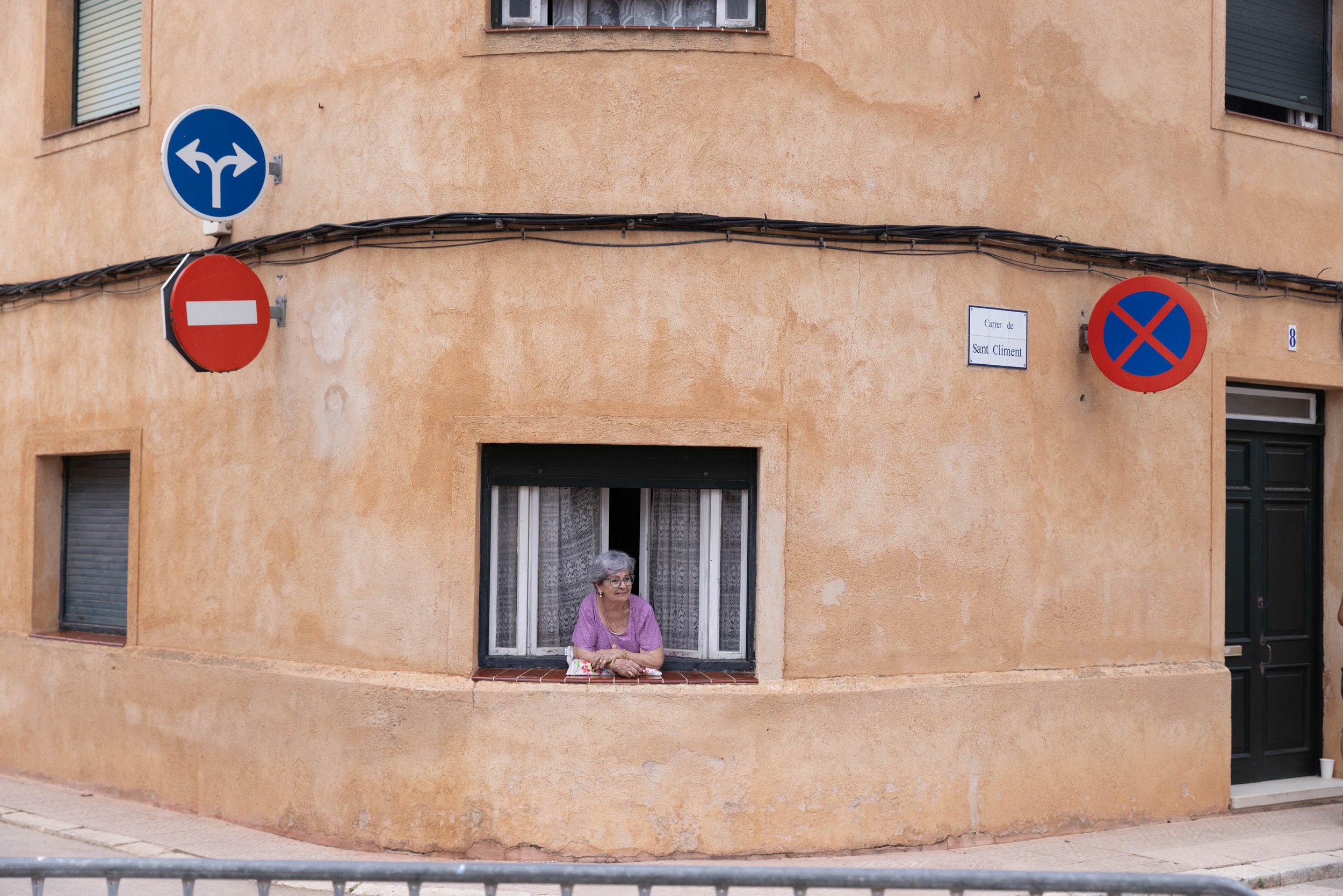
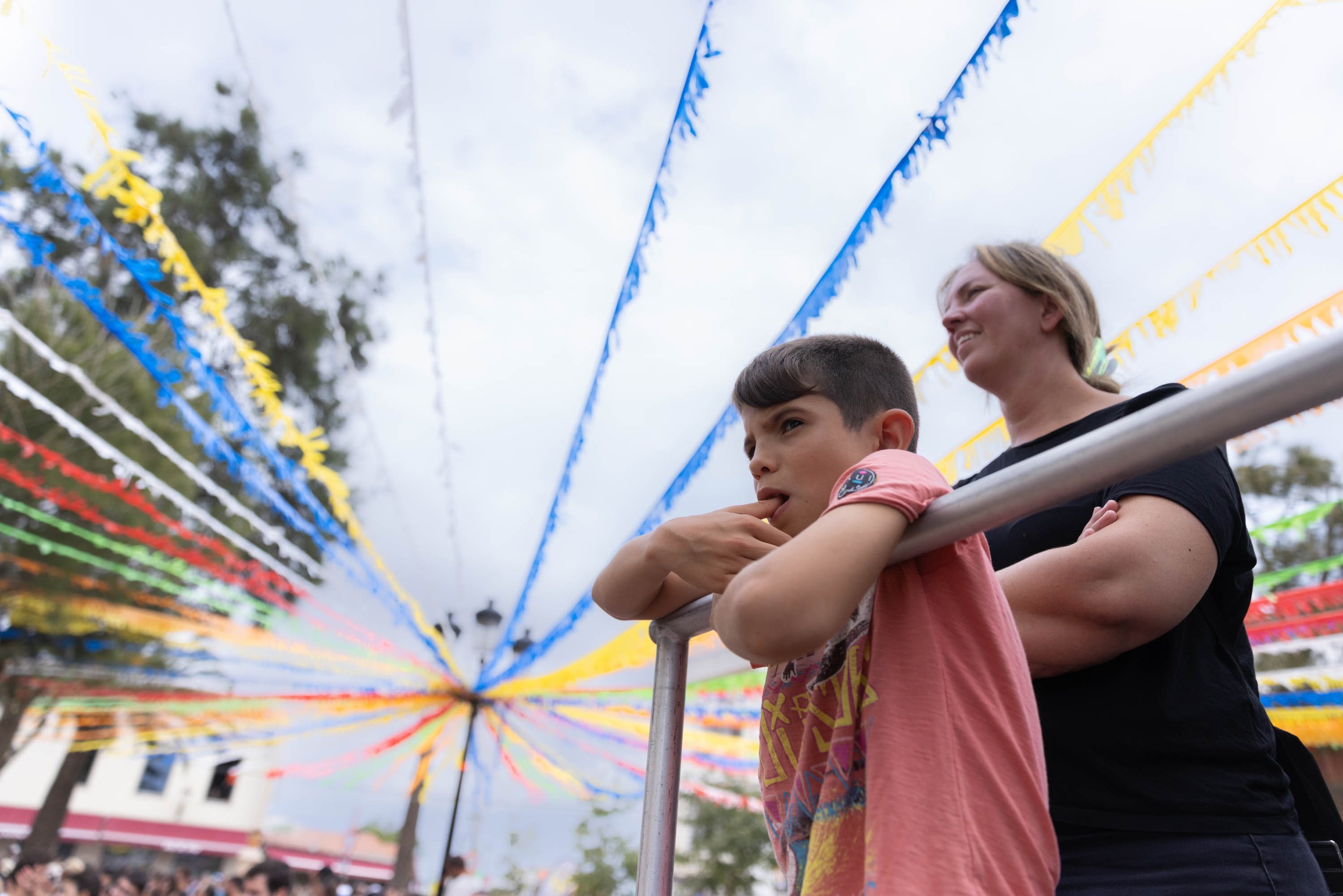
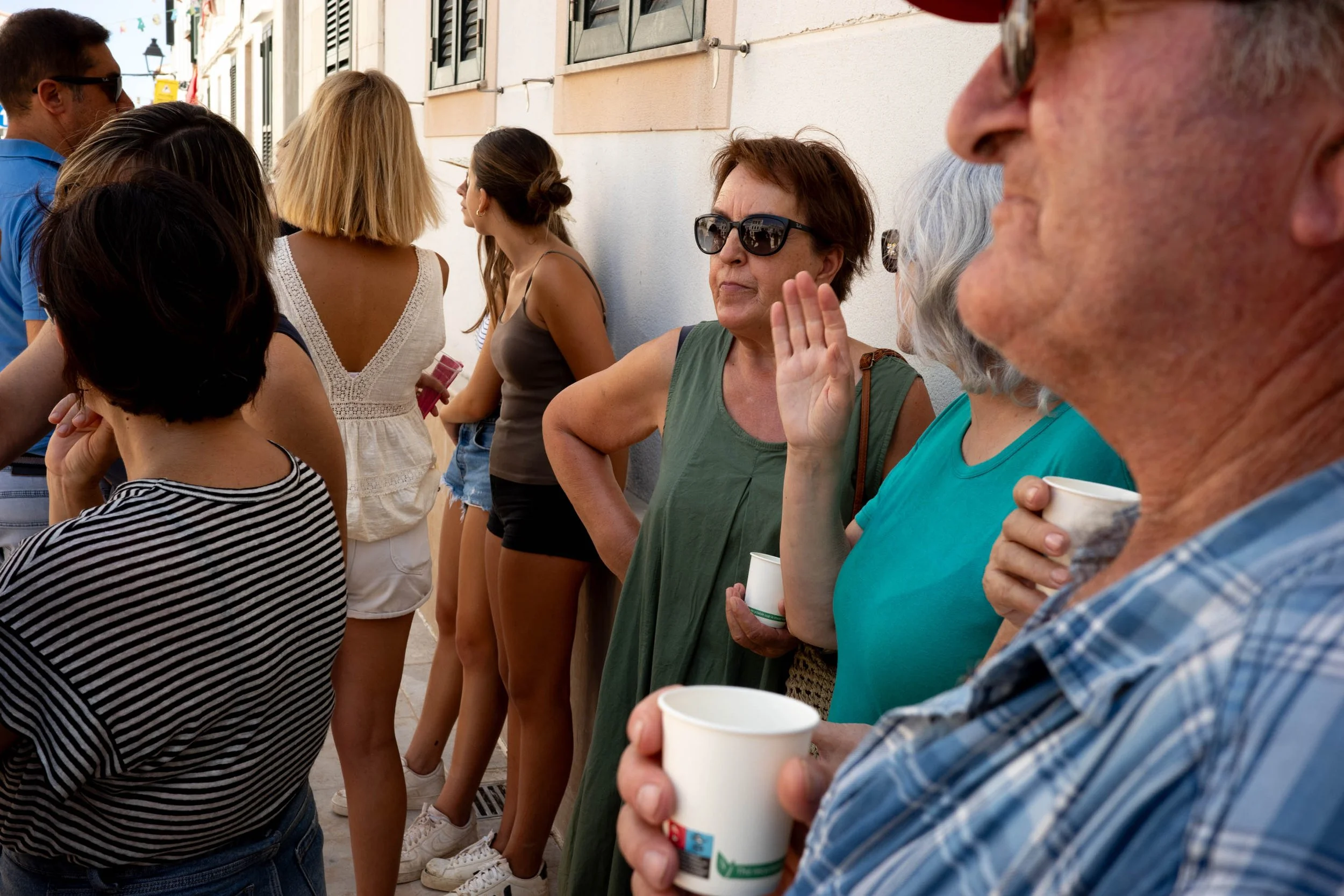
At the beginning, I did not know what the project would become or in which direction it would evolve; perhaps that was never the plan. It is a first-seen, first-shot series. I instinctively documented everything — landscapes, festivals, riders, their intimate moments beyond their roles, and the observers.
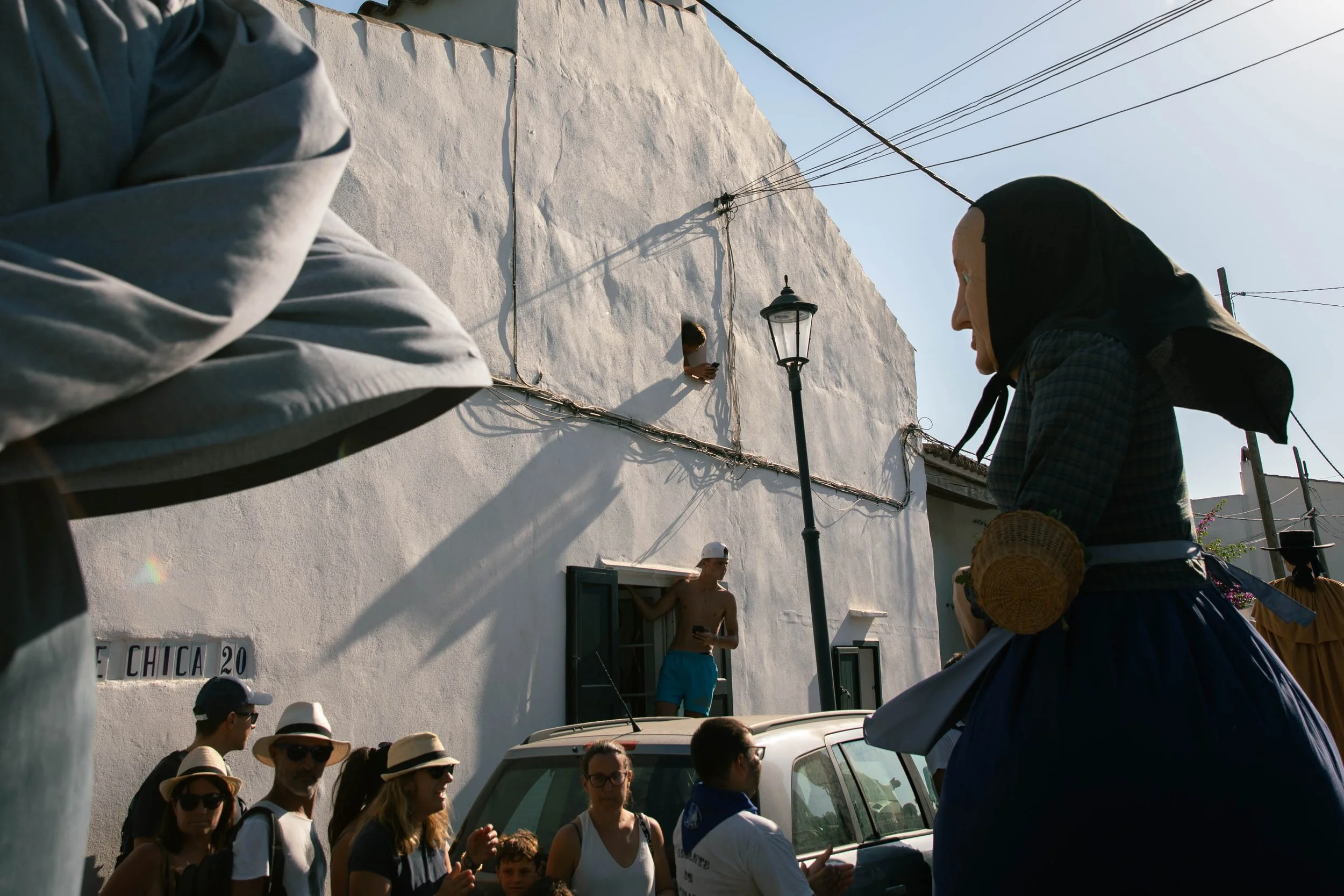
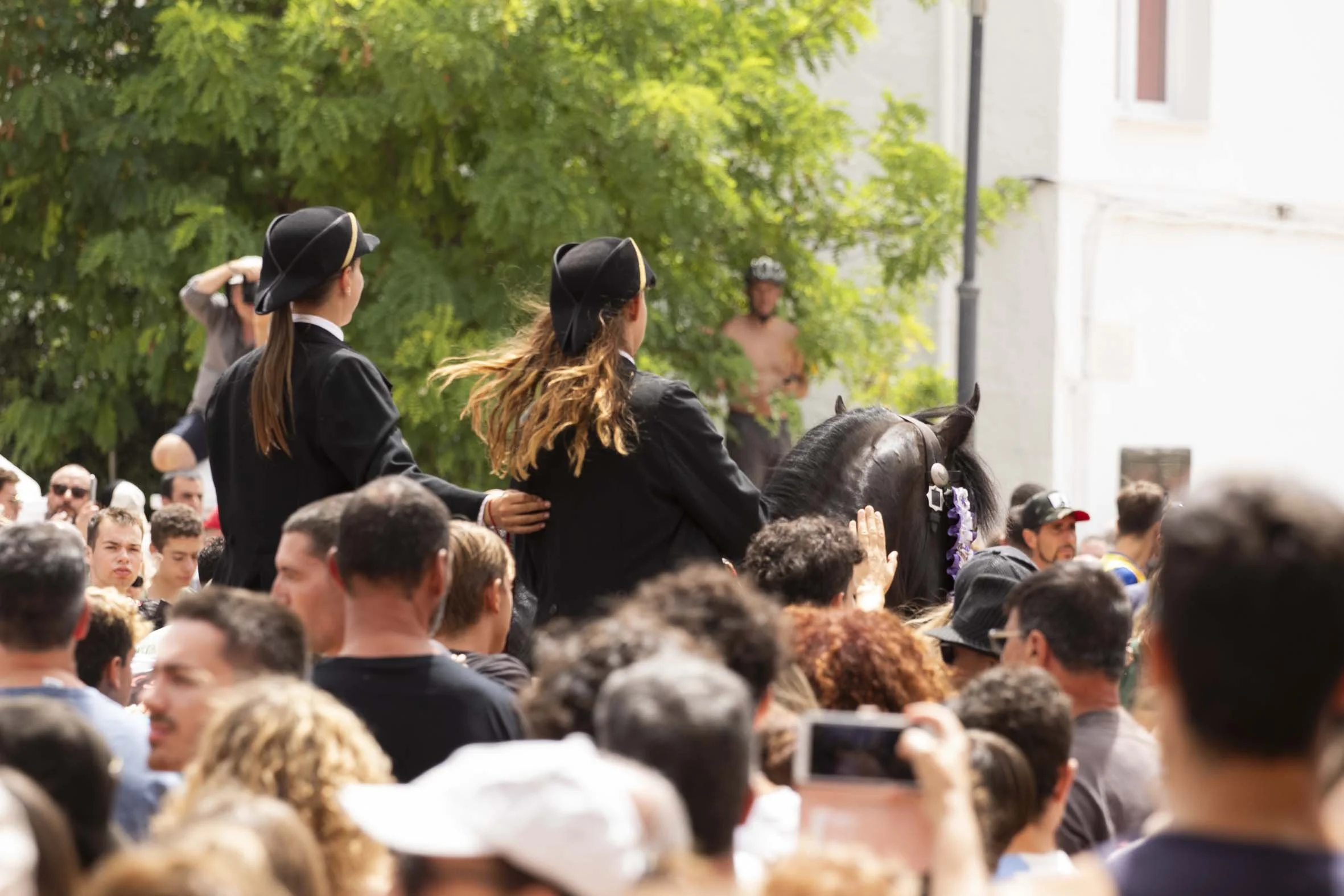
The perspective gradually shifted from that of an observer to a more landscape-like capture of the crowd, which in many ways became a compelling source of inspiration — a captivating element, much like the landscape itself: surreal, almost lunar in appearance. Moonlike surfaces, blending with traditional Menorcan architecture, created a visual dialogue between the earthly and the otherworldly. It was within this setting that terrain and tradition seemed to merge cohesively.
Over time, after participating in over a dozen festivals across the island — each with its own atmosphere and subtle variations, yet all sharing the same ecstatic anticipation — witnessing this powerful, almost mystical, western-movie-like tradition from within became entirely different from observing it as an outsider. What had initially seemed like a spectacle slowly revealed itself as something far more intimate: a living thread between generations, between humans and animals, between land and memory.
Through the prism of familiarity — of knowing the people who opened their doors and stables to us — the celebration transformed. The horses rising above the crowd, the music vibrating through the narrow streets, the anticipation in the eyes of riders and spectators alike — all became a commentary on the island’s 14th-century heritage.
This gradual shift in perspective turned the photographic journey into a path of exploration — less about tradition alone and more about understanding presence: how culture lives through bodies, through rituals repeated year after year, and through the quiet devotion of those who carry it forward.
What began as curiosity evolved into a distinct visual path. And perhaps that is what this work ultimately seeks — not only to show what is seen, but to encourage exploration.
A configuration of dots, lines, shapes, and forms which, through framing, transforms into an inner sensation — into an object shaped by the viewer.
Over time, as both an observer and a participant, the perception of the crowd shifted into a kind of visual scenery, detached from its earlier documentary nature; it became a panoramic perspective — a vision of how others see.